
The Sto Foundation is actively committed to promoting international exchange in architectural education. A significant portion of these efforts is directed towards supporting outstanding educational events worldwide, including summer schools and student aid projects. Another focus lies on providing financial support for lecture series at various universities, most notably the international format November Talks.
A look at today's higher education landscape reveals the diverse ways in which architecture is established and shaped in teaching and research: each faculty has its own specific characteristics and priorities. With the aim of sustainably promoting and deepening international exchange in the central field of architectural education, we established an endwoed professorship in 2018. In doing so, we aim to utilize this diversity to introduce and permanently establish innovative approaches and creative development in teaching and research. One objective is to challenge conventional approaches to established planning and construction processes in architecture.
Universities, technical universities, and academies throughout Germany are generally eligible to apply for the establishment of this endowed professorship. The visiting professorship is initially anchored at a university for a period of two years and is subsequently re-advertised. The decision regarding whether one or more individuals are appointed during this period, as well as the teaching area in which the professors will be active, rests with both the university and the Sto Foundation.
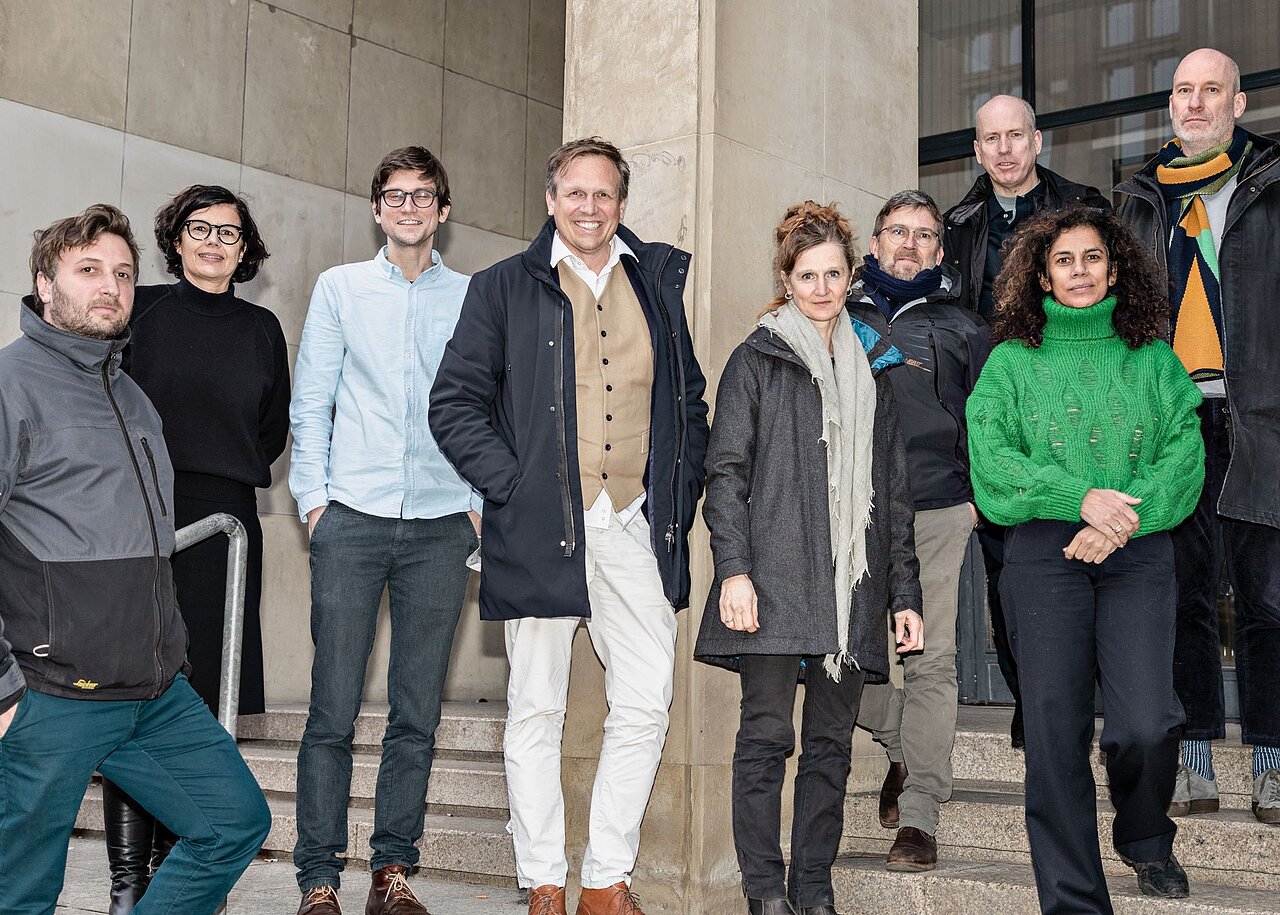
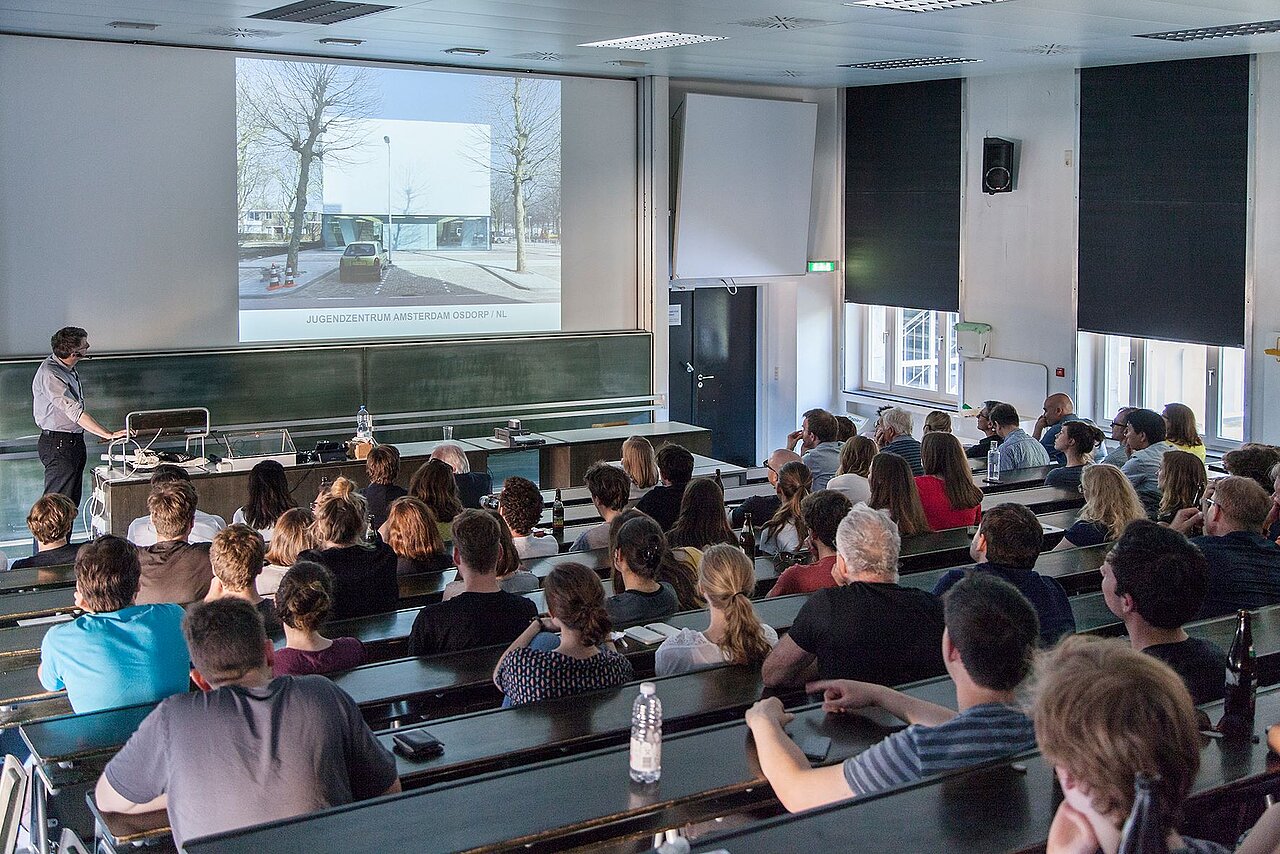
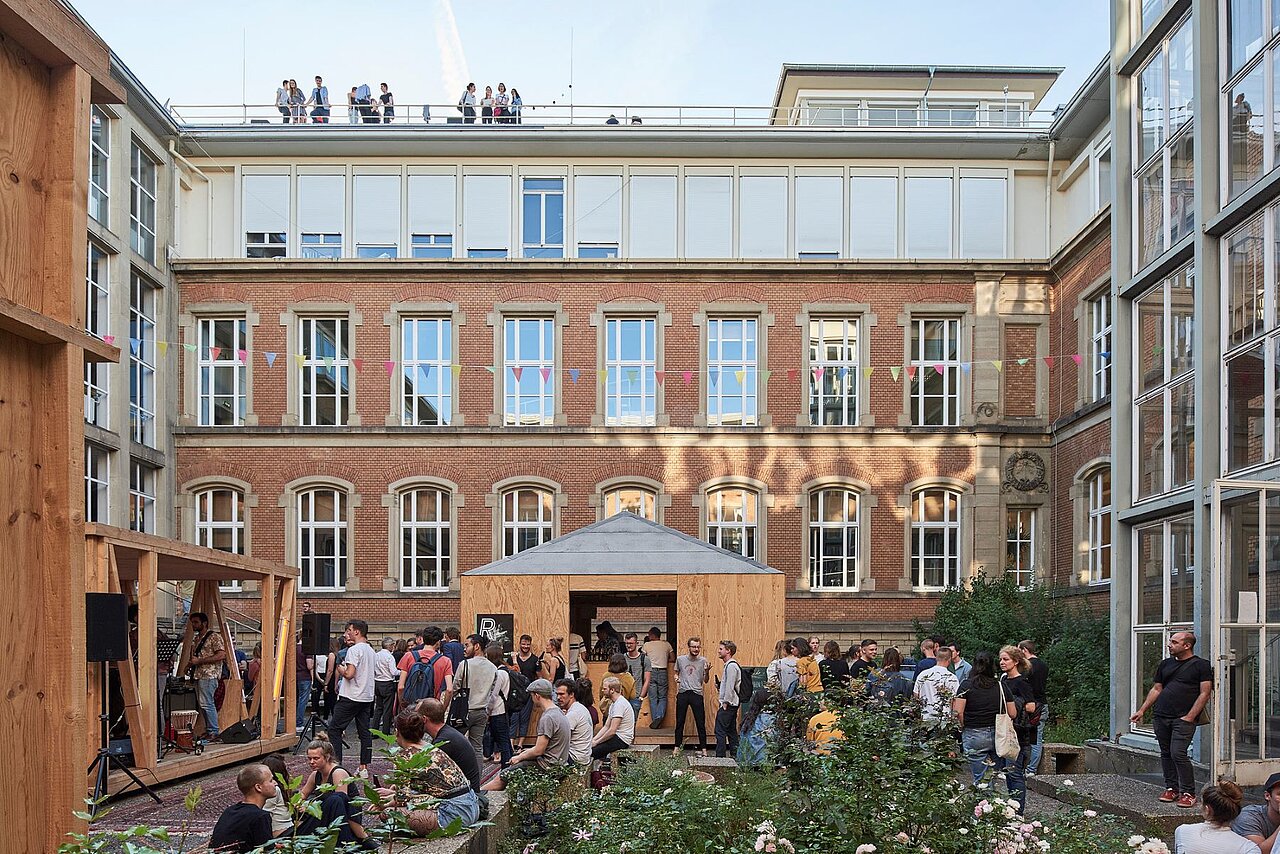
The visiting professorships at KIT were dedicated to the question of how we can manage our natural resources responsibly in construction through a sustainable approach to materials in times of climate change and increasingly blatant resource scarcity and environmental pollution. In addition to courses in the Master's degree program in Architecture, public events such as lectures and symposia were held. The themes were aligned with the European Union's guidelines, as presented by the President of the Commission, Ursula von der Leyen, on September 14, 2020. The faculty also anticipated impulses for the development of the New European Bauhaus.
Our thanks go to all participating visiting professors:
- Kerstin Müller and Oliver Seidel | baubüro in situ ag, Basel
- Maarten Gielen with Prof. Anapuma Kundoo | Rotor asbl-vzw, Brussels and Anupama Kundoo architects, Pune, Pondicherry/IN, Berlin/DE
- Peter van Assche and Katja Hoogendorn | bureau SLA – we are architects, Amsterdam
Courses | Lectures | Exhibitions
RE-CONSTRUCT BETTER!
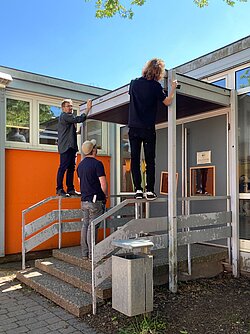
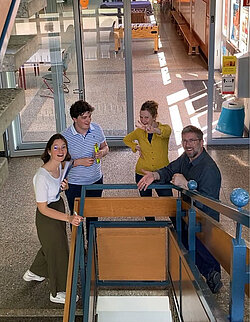
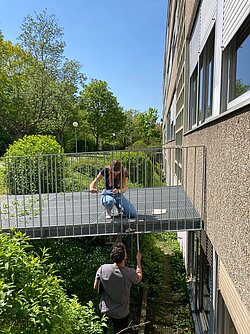
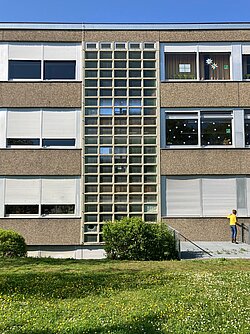
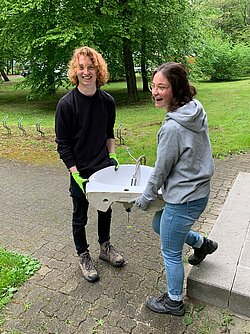
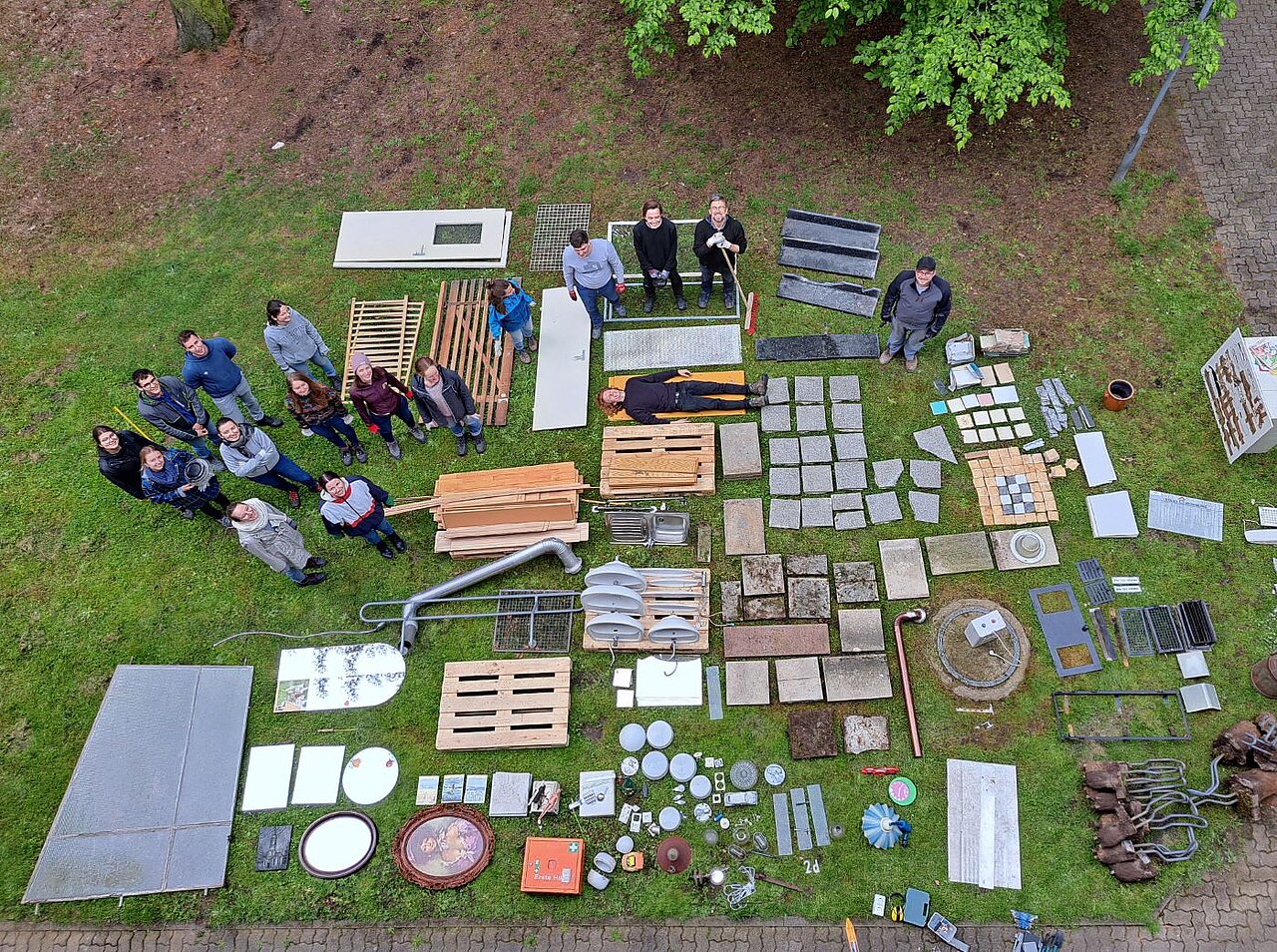
Architects can no longer afford to continue demolishing buildings. However, sometimes demolition is inevitable. What potential lies within such a process? Which design principles are dictated by reused components? Together with the City of Karlsruhe, participants investigated the extent to which the city's material can be used in building designs. The project focused on a maintenance yard, which was an actual upcoming project in Karlsruhe. In the spirit of the circular economy, students researched how they could minimize the carbon footprint, waste, and costs through clever design strategies. The basis for the design was a digital component catalog consisting of elements from a current deconstruction project in Karlsruhe.
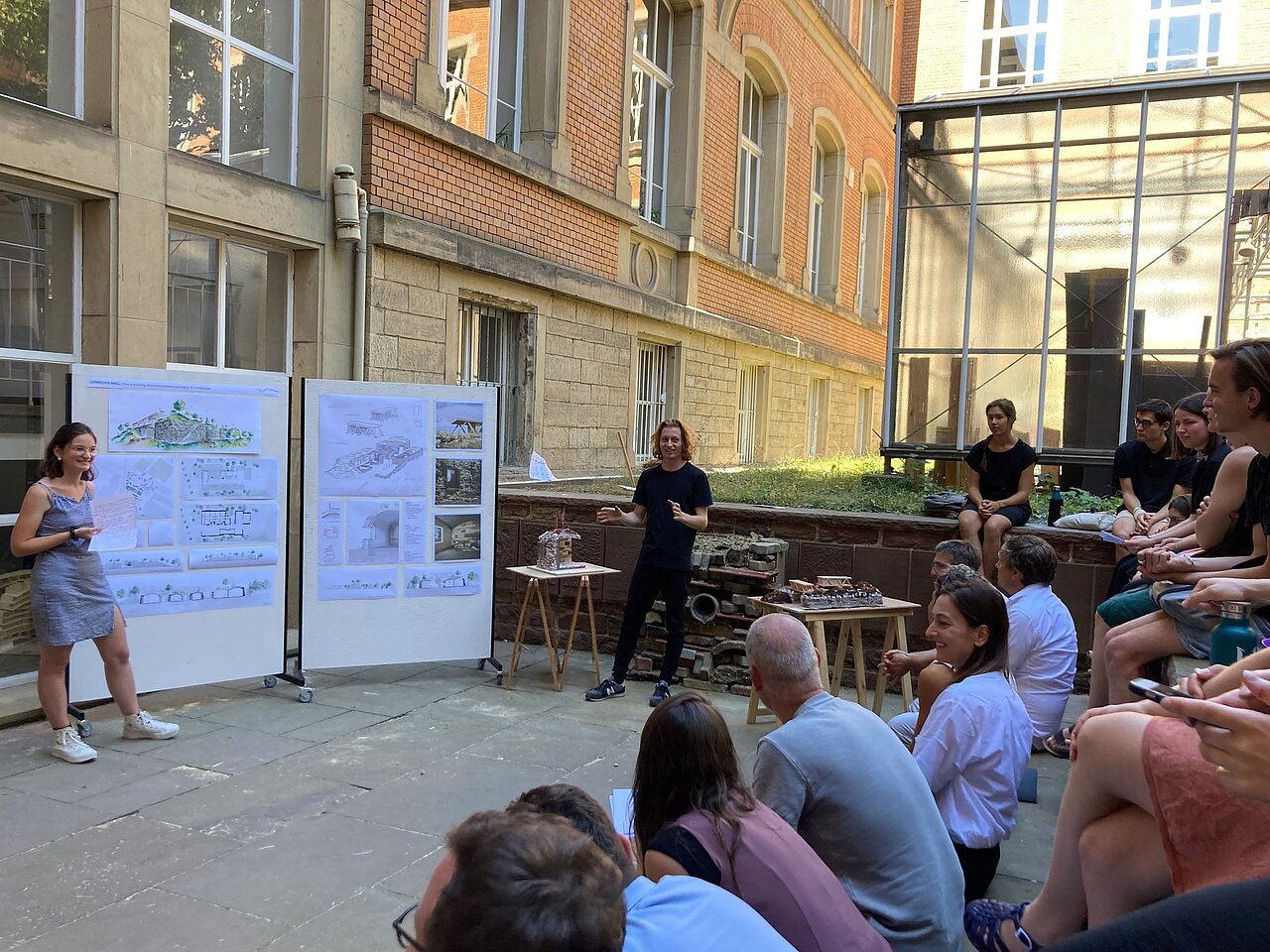
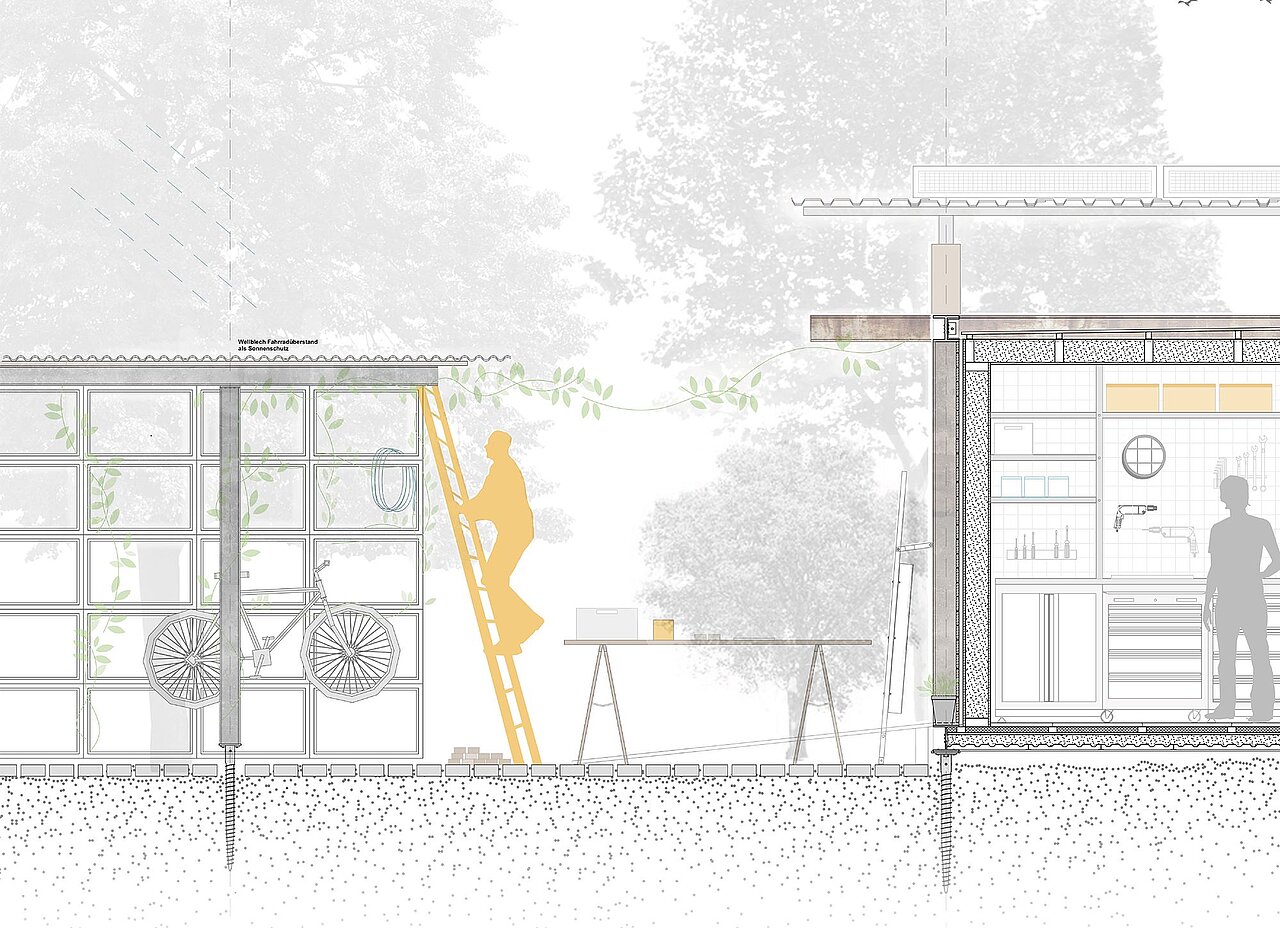
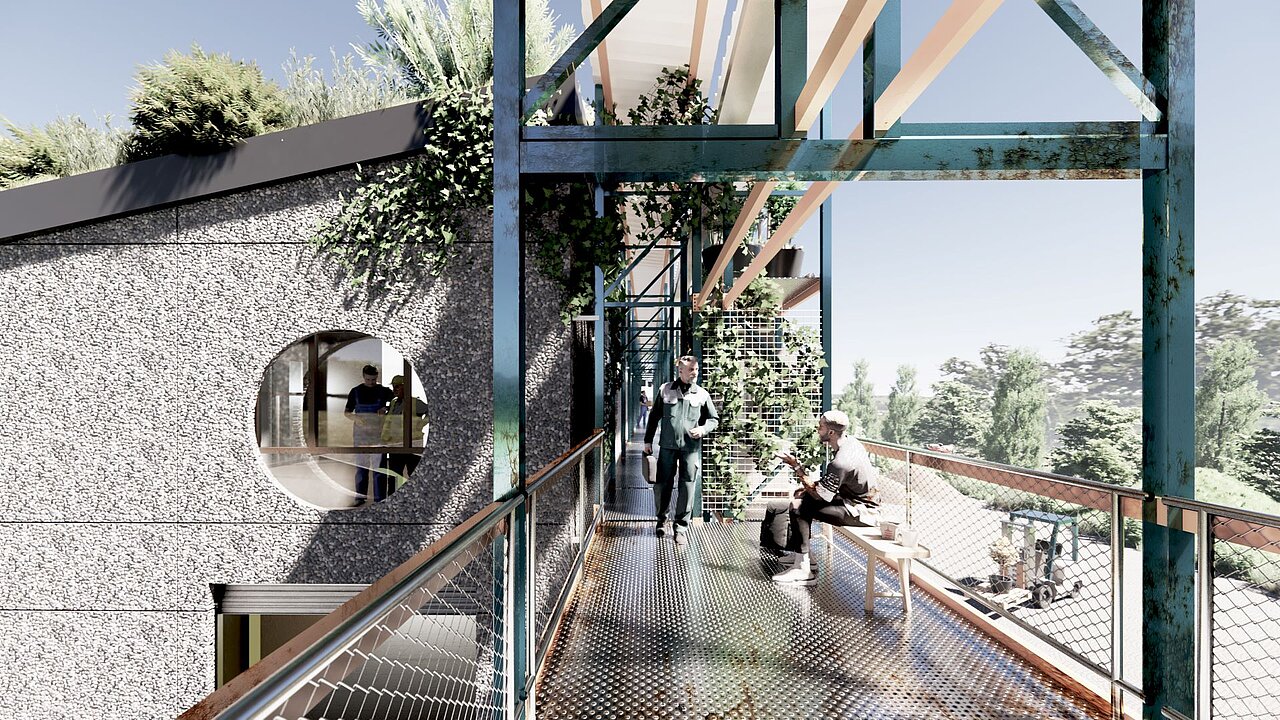
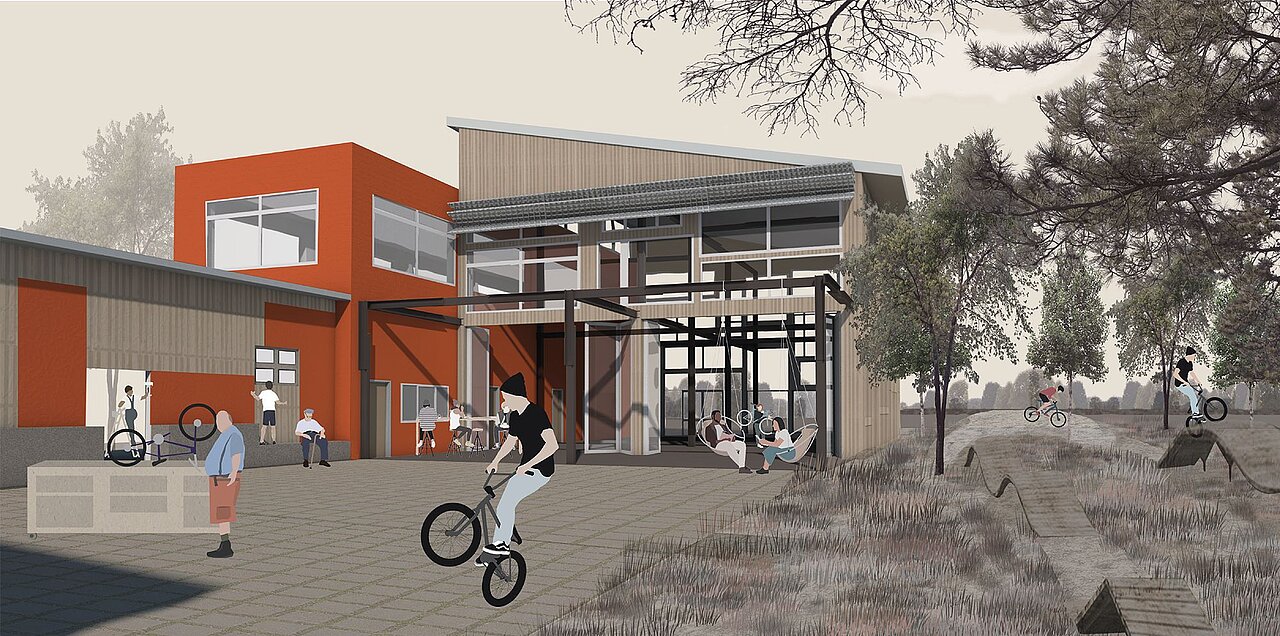
park_haus: repurposed, dismantled, stacked
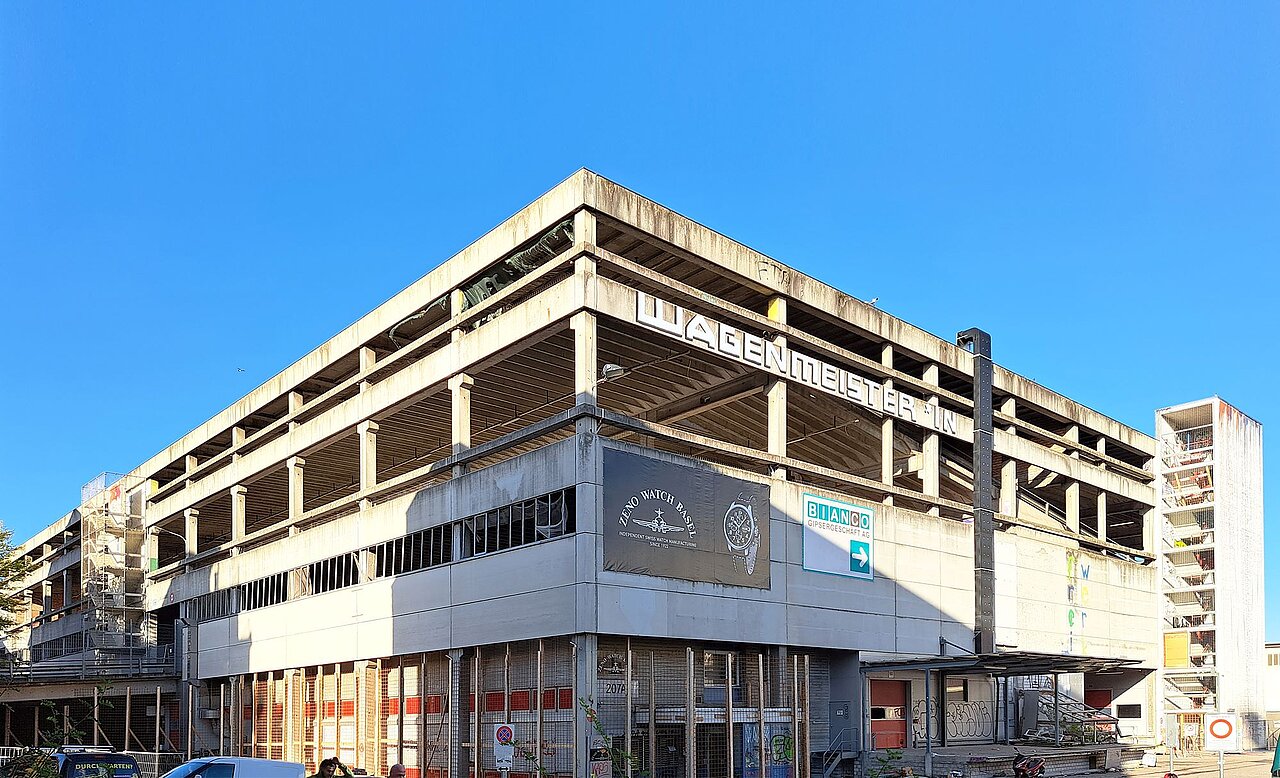
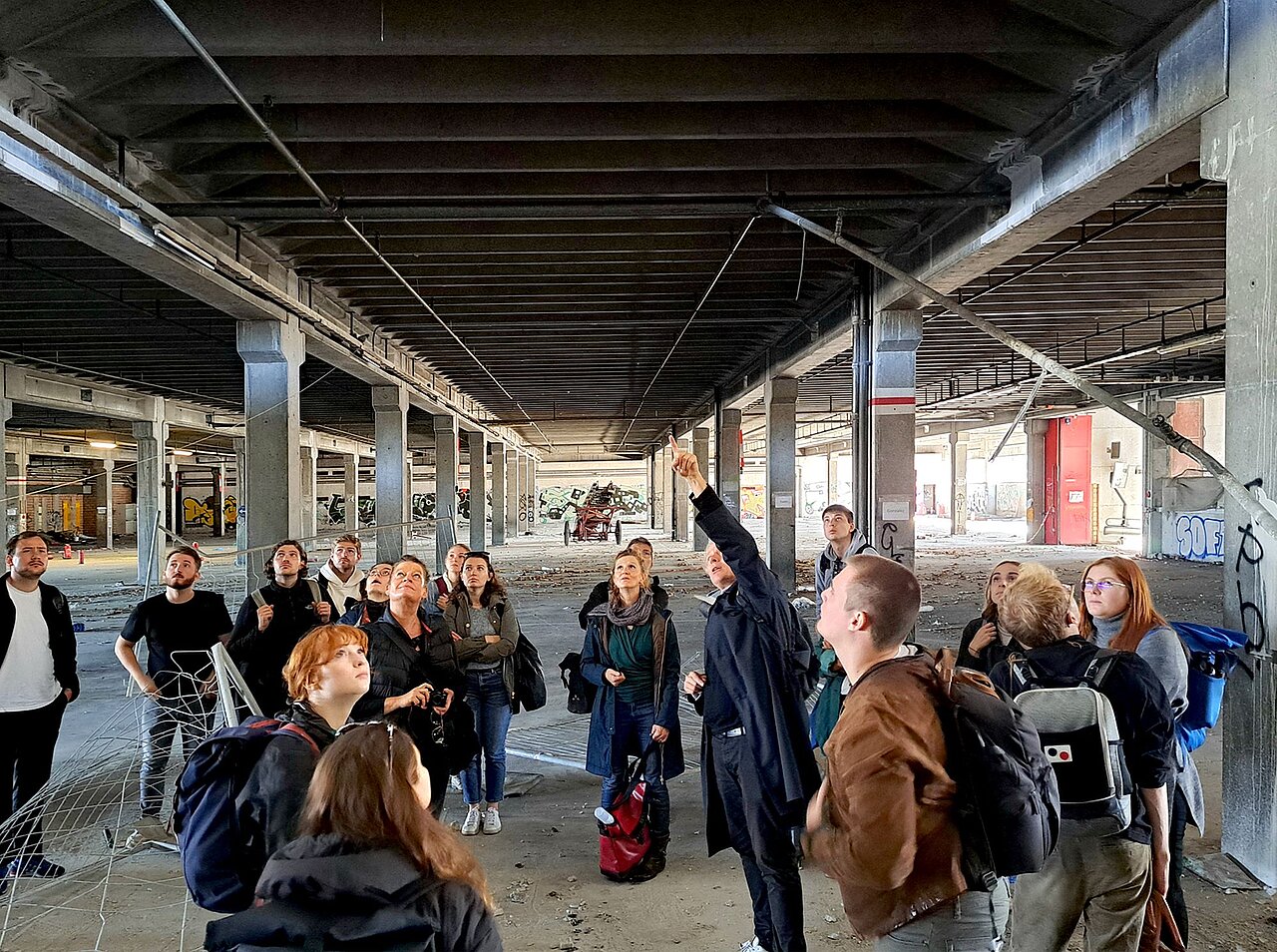
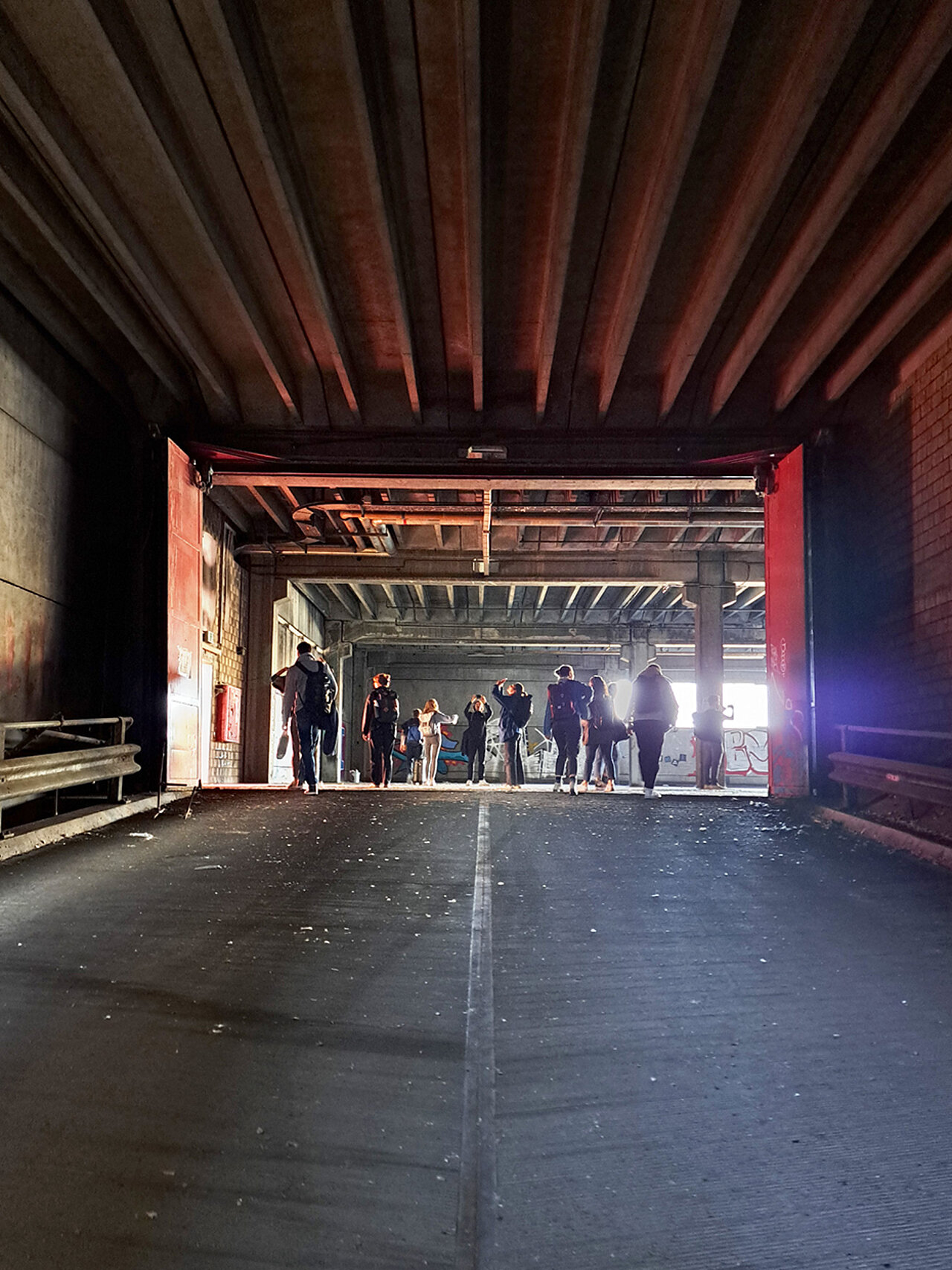
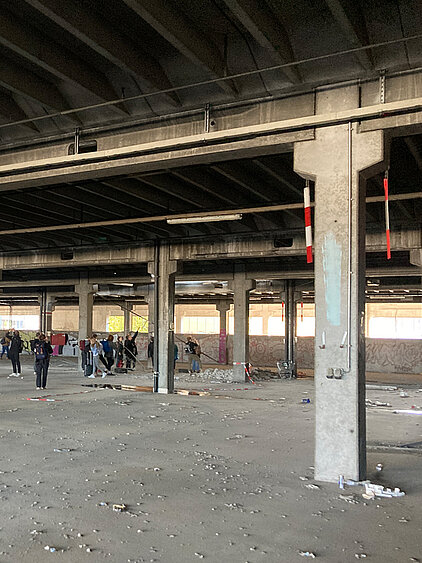
The built city contains many post-war infrastructure buildings that receive little to no public support. Conceived purely as functional structures, these buildings initially show no special features. Having aged, a large number of these buildings face demolition.
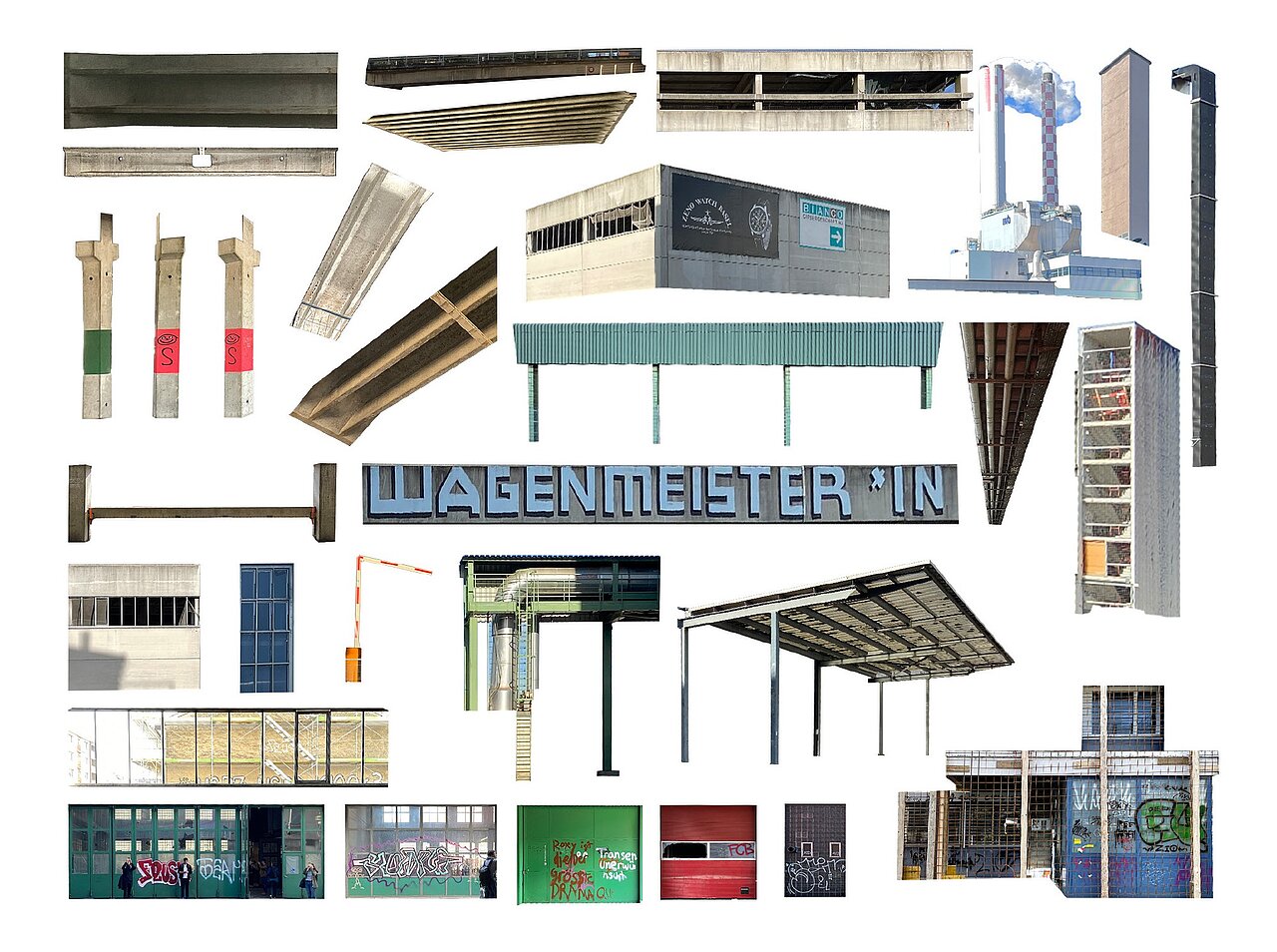
Many of these structures, however, harbor potential waiting to be discovered. This was also the case for the Lysbüchel parking garage in the Volta Nord transformation area in Basel. An expansion of the existing St. Johann residential quarter is to be created on the previously commercially used site. Instead of seeing the existing building as a disruptive factor to be removed, participants viewed it as an opportunity. The building consists of a prefabricated reinforced concrete structure. Ribbed slabs characterize the space as structural ceiling elements and give it architectural power. In the design, they investigated the repurposing of segments of the parking garage for residential use. Is a partial deconstruction possible while continuing to build with the load-bearing structure? Or can individual elements be dismantled, reused, and formed into a new structure?
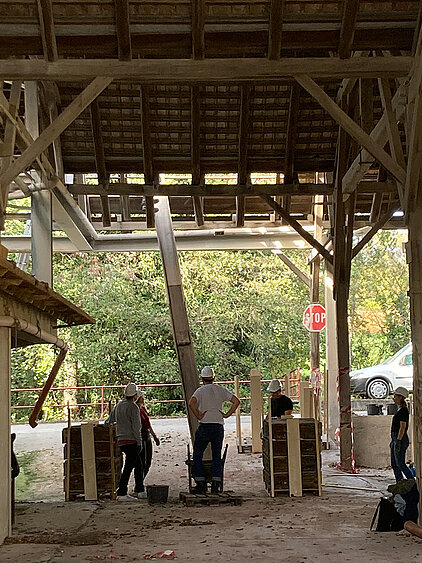
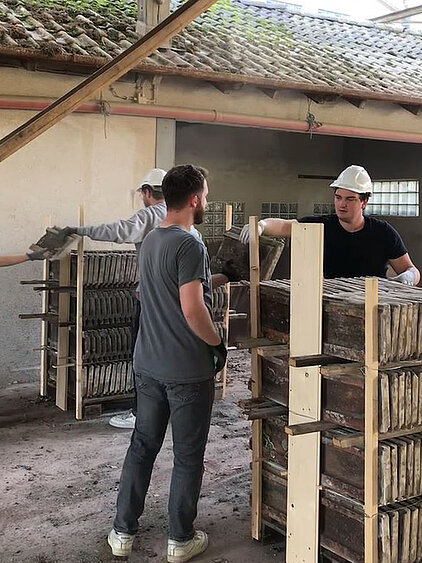
Scarce resources, large amounts of waste, and the climate crisis require a change of perspective in the construction industry. How can architects determine the embodied energy and greenhouse gas emissions of their designed buildings or construction measures? How carbon-intensive are the building materials used and what environmental impacts are associated with them? The specialization focused on the environmental and CO2 impacts resulting from the construction, renovation, and deconstruction of buildings. Tools were learned to calculate these impacts and strategies were developed to reduce them. Furthermore, the focus was on developing visual communication strategies to convey topics such as building on existing structures, CO2, Re-Use, etc., in an easily accessible and appealing manner. Participants were able to apply these findings directly to the designs of the design studio. Part of the event was a deconstruction workshop in which students themselves dismantled components for reuse on a real project.
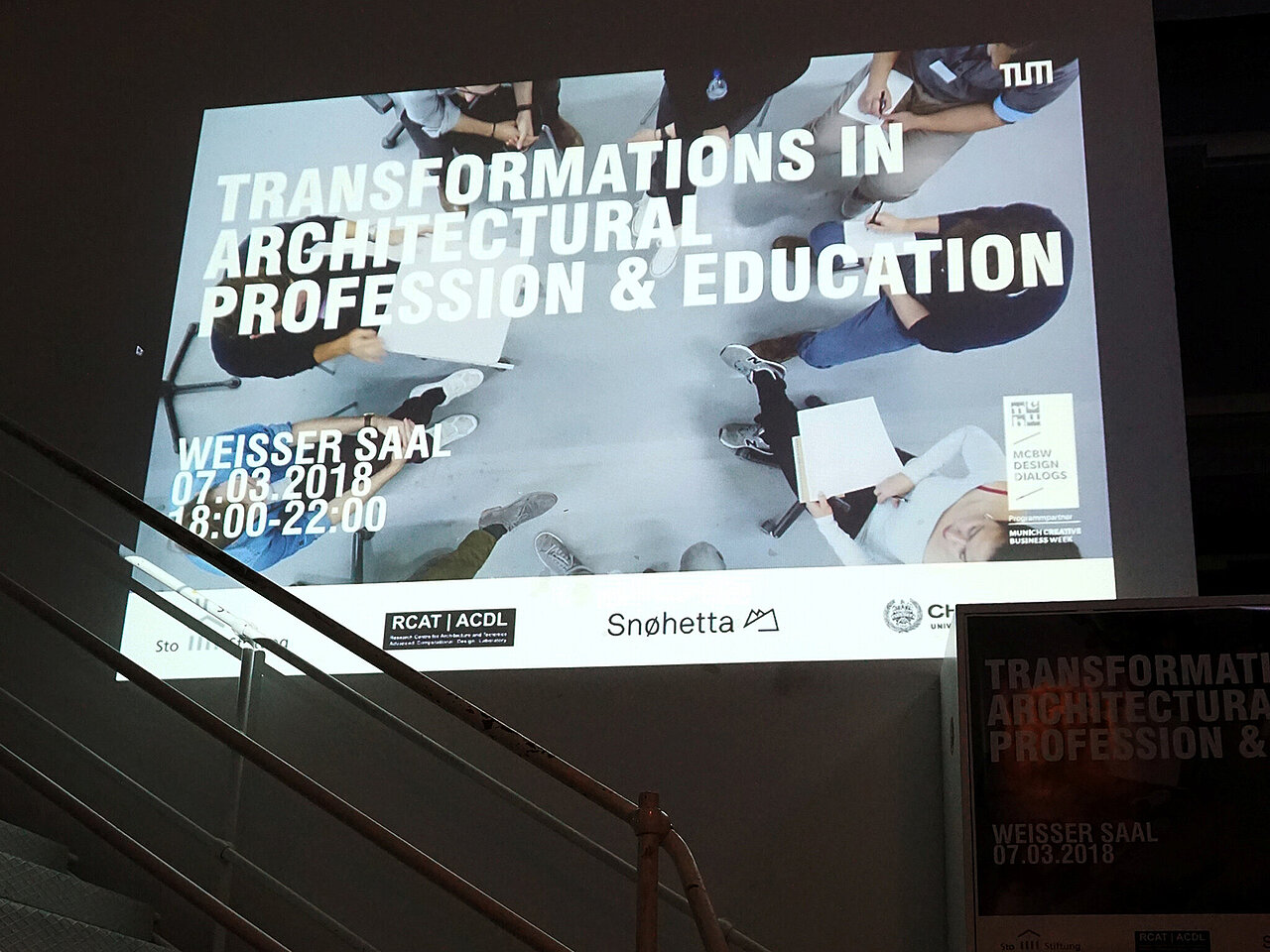
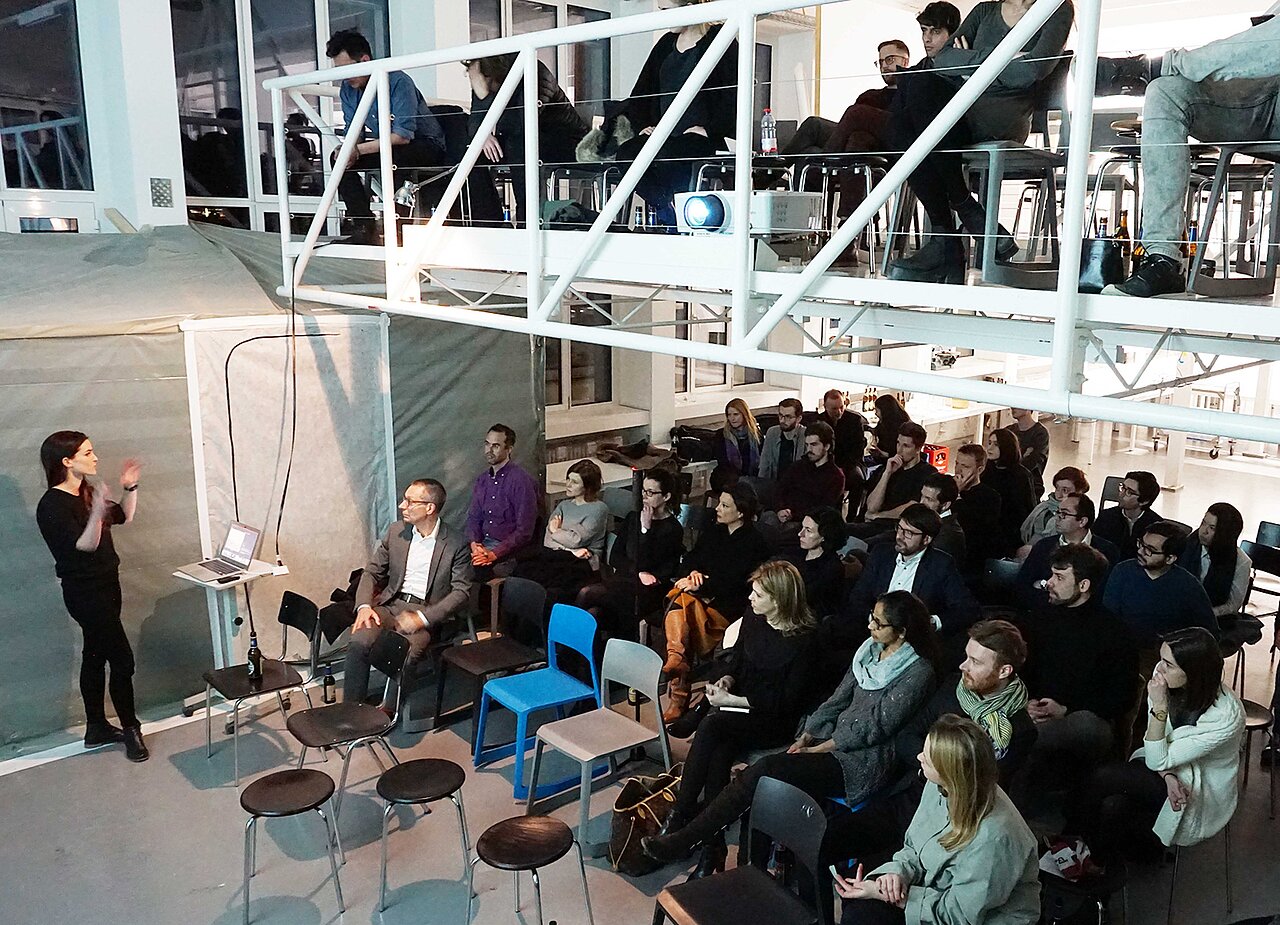
The first supported endowed professorship was awarded to TU Munich. From April 2018 to March 2020, representatives of Nordic architectural firms and universities directed the audience's gaze northward, offering students and teachers at TUM a Scandinavian perspective on architecture. The focus was on societal trends and pioneering educational content such as gender equality in leadership positions and design practice, applied research and development in architectural firms, or alternative professional and business field developments for architects.