

TU Munich
Women Architects in the Spotlight
Ausstellungsprojekt FRAUEN BAUEN München
The exhibition "WOMEN BUILD Munich" presents female architects whose work has shaped and continues to shape the Munich cityscape. The Sto Foundation supports the project to integrate female architects more strongly into academic discourse.
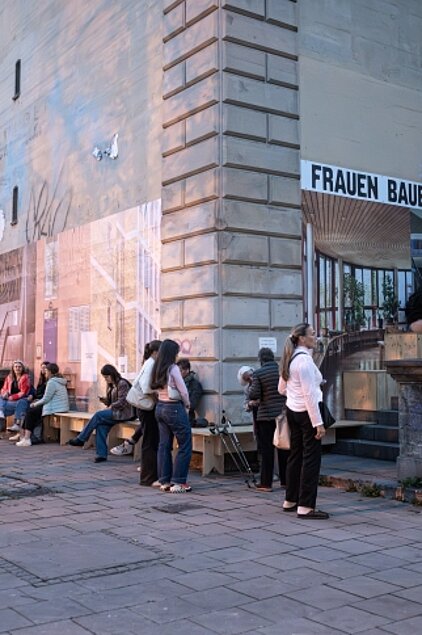
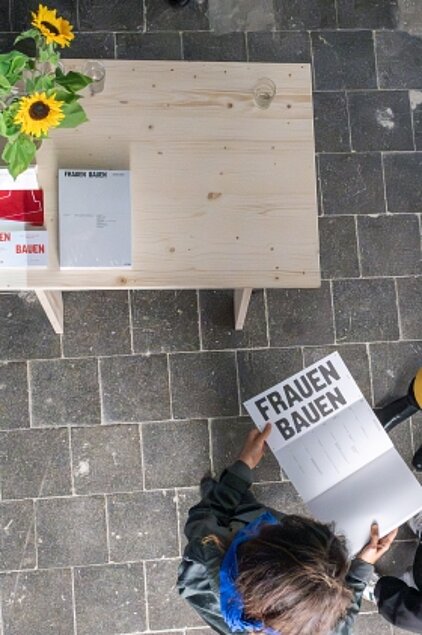
Architectural history is often told from a male perspective. A project at the Technical University of Munich (TUM) aims to change this. The exhibition "WOMEN BUILD Munich" presents 36 buildings by 16 female architects who worked in the city between the 1930s and 1990s.
The idea: to bring the stories and works of these women into the public consciousness. Students at TUM initiated this ambitious project together with the Architekturgalerie München. The result was not only an exhibition but also a digital collection that is intended to grow steadily.
History to touch and hear
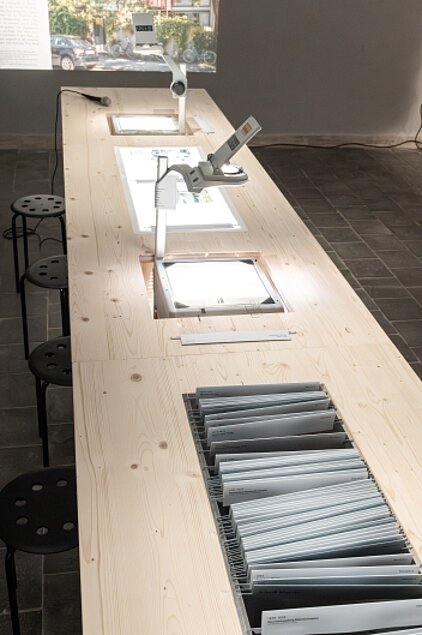
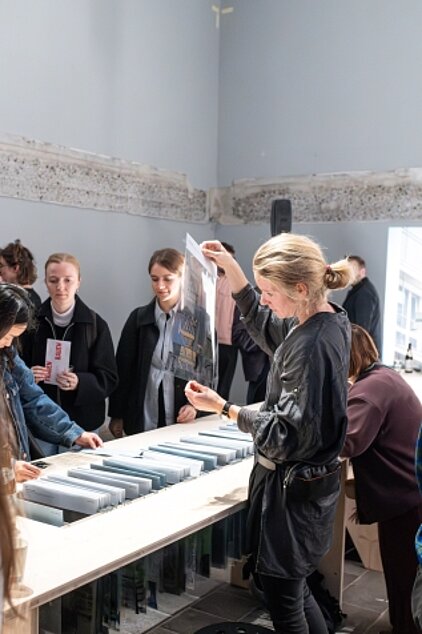
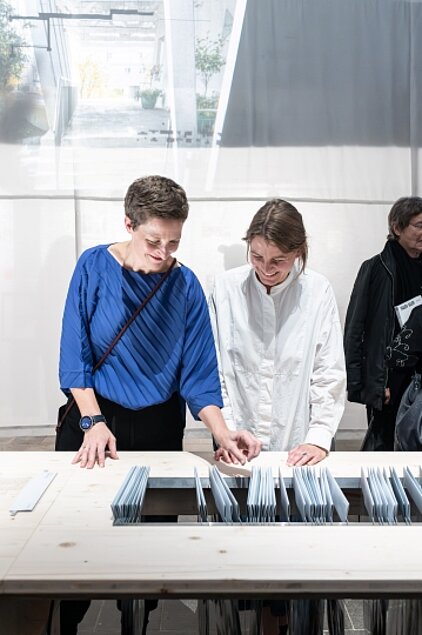
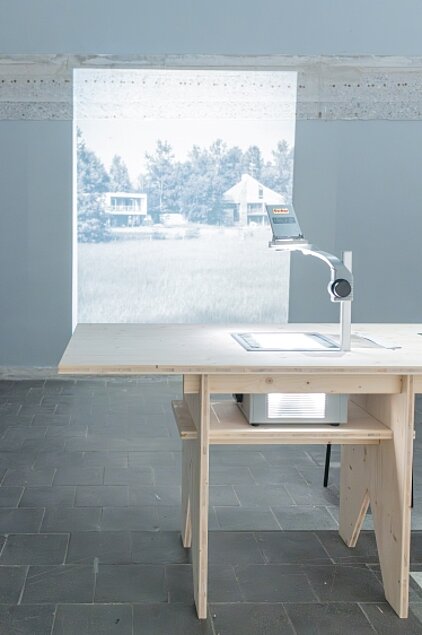
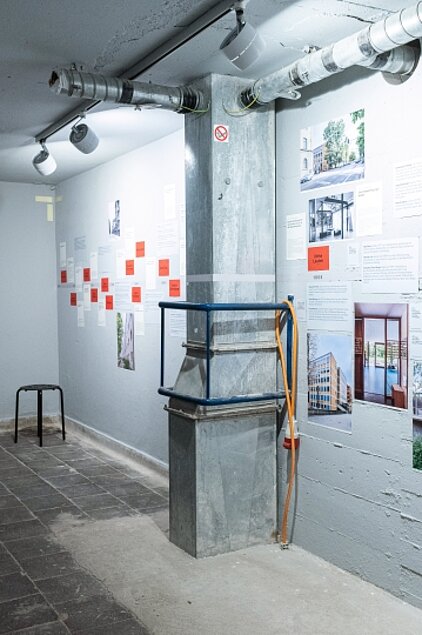
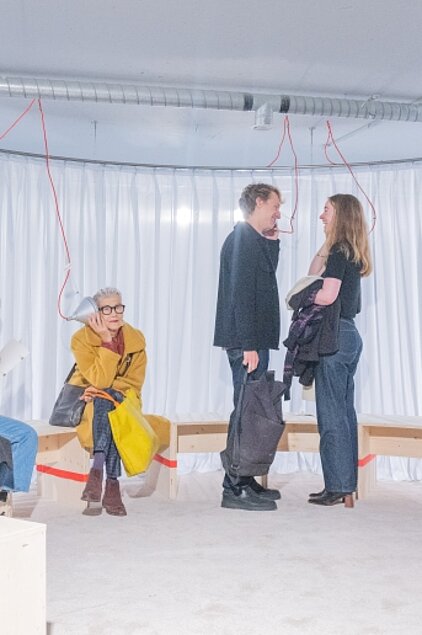
The heart of the exhibition is a six-meter-long archive table. Here, visitors can browse through plans, photographs, and biographies – completely analogue using overhead projectors. A timeline on the wall places the architects' work in the context of Munich's urban development and the history of gender equality at TUM.
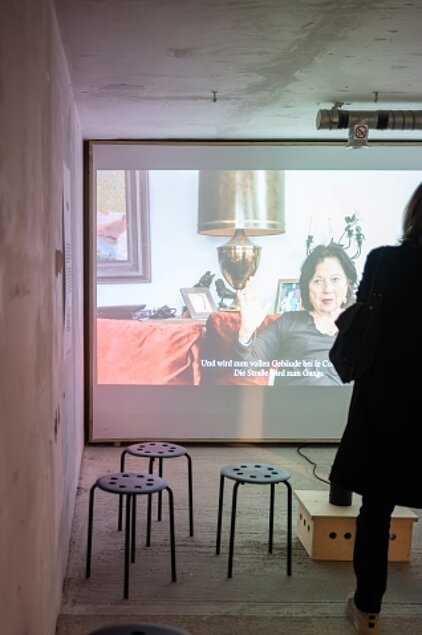
In addition, there is a listening room with biographical interviews of contemporary female architects. They talk about their experiences during their studies, in their careers, and in dealing with old and new challenges. Public space is also utilized: large-format posters with images of the projects and quotes from the architects invite people to pause and discover.
Dialogue-oriented and interactive
The project takes a fresh look at the city's architectural history and shows how oral history, poster installations, and digital archives can become a contemporary, open form of knowledge transfer. An exhibition format that invites people to ask questions and think along – and an impulse for aspiring architects to view the history of their profession in a more nuanced way.
University of Oregon, USA
Wo Latten Schatten werfen und die Hoffnung wächst
Students design new entrance area
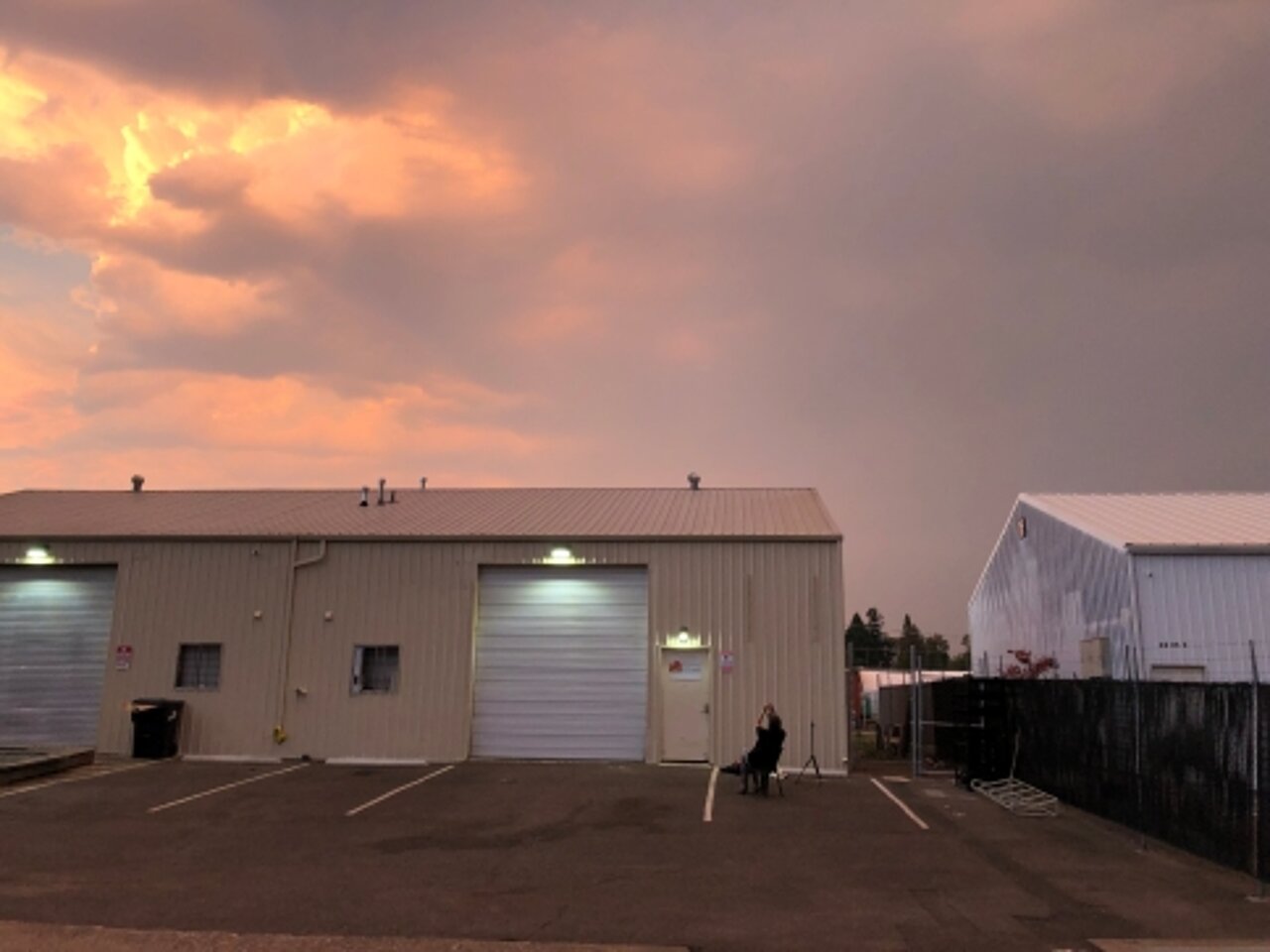
In Eugene, Oregon, a new entrance area has stood since autumn 2024 that does more than open doors – it connects people and creates space for encounters.
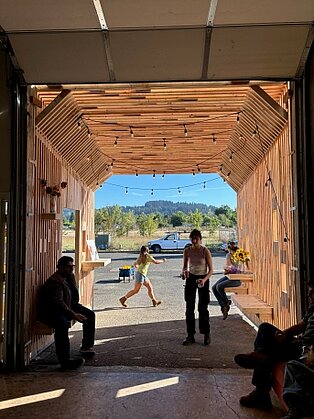
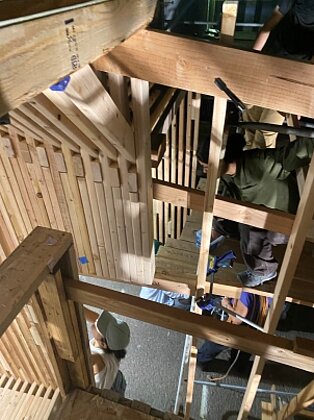
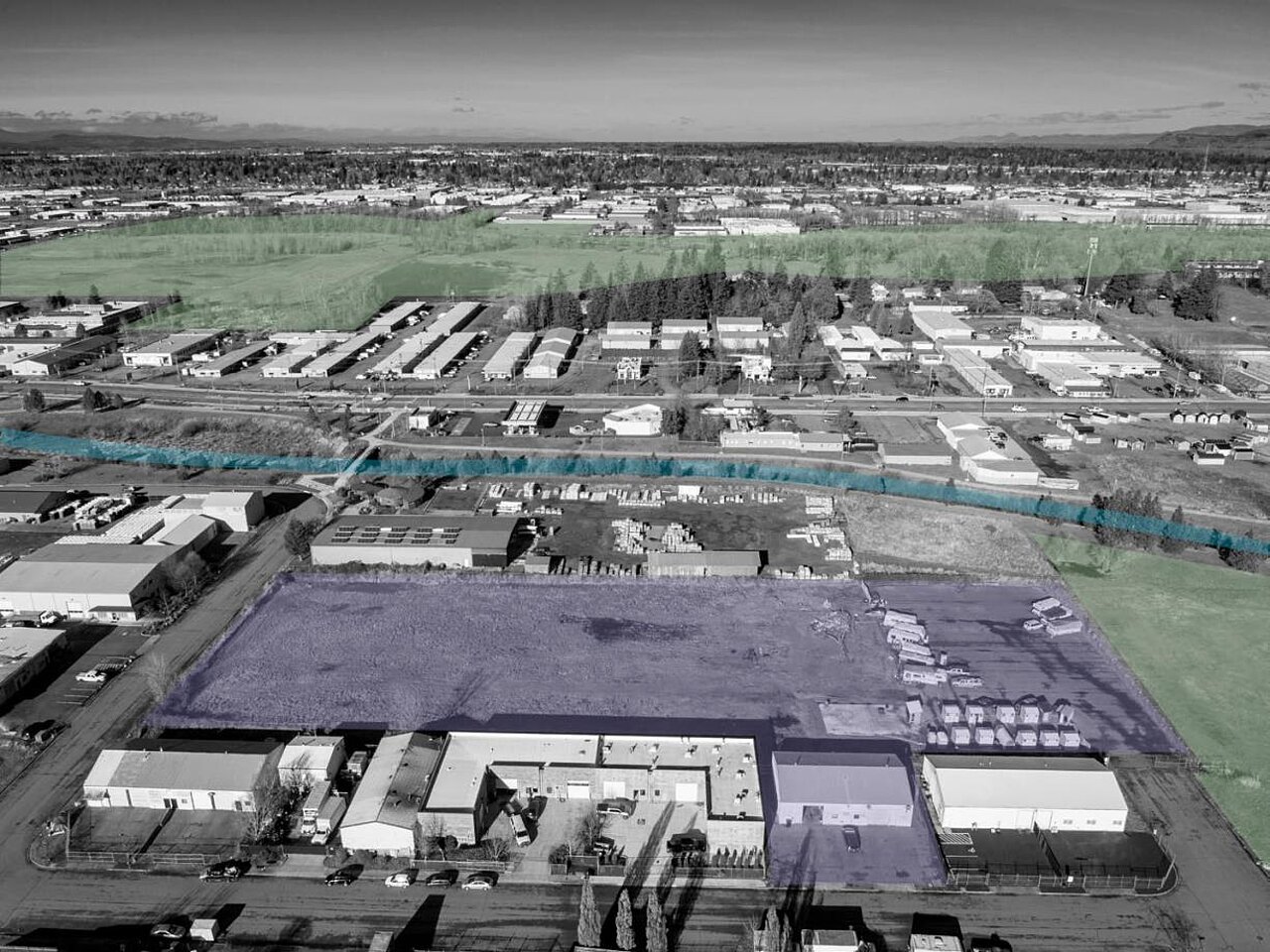
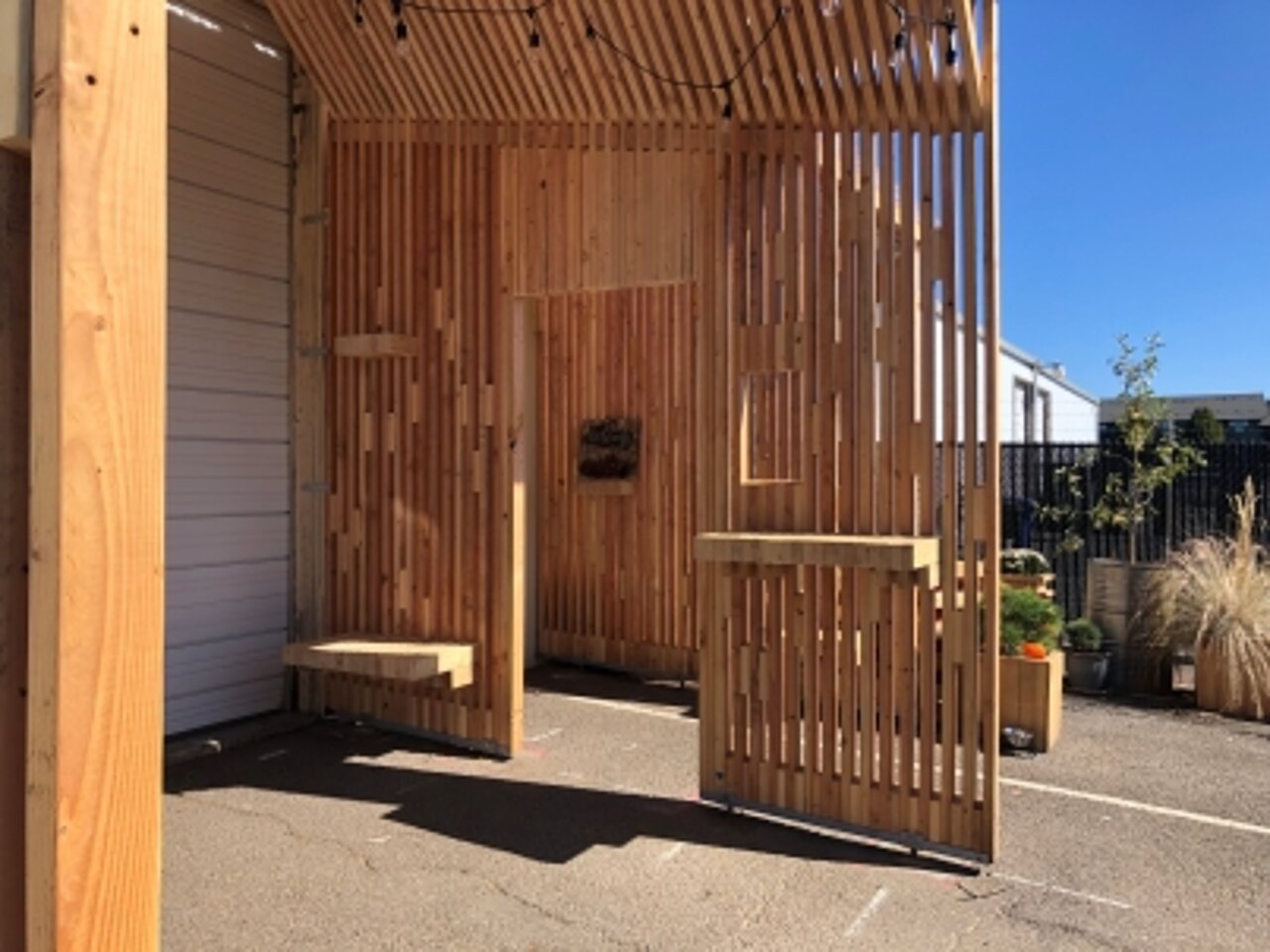
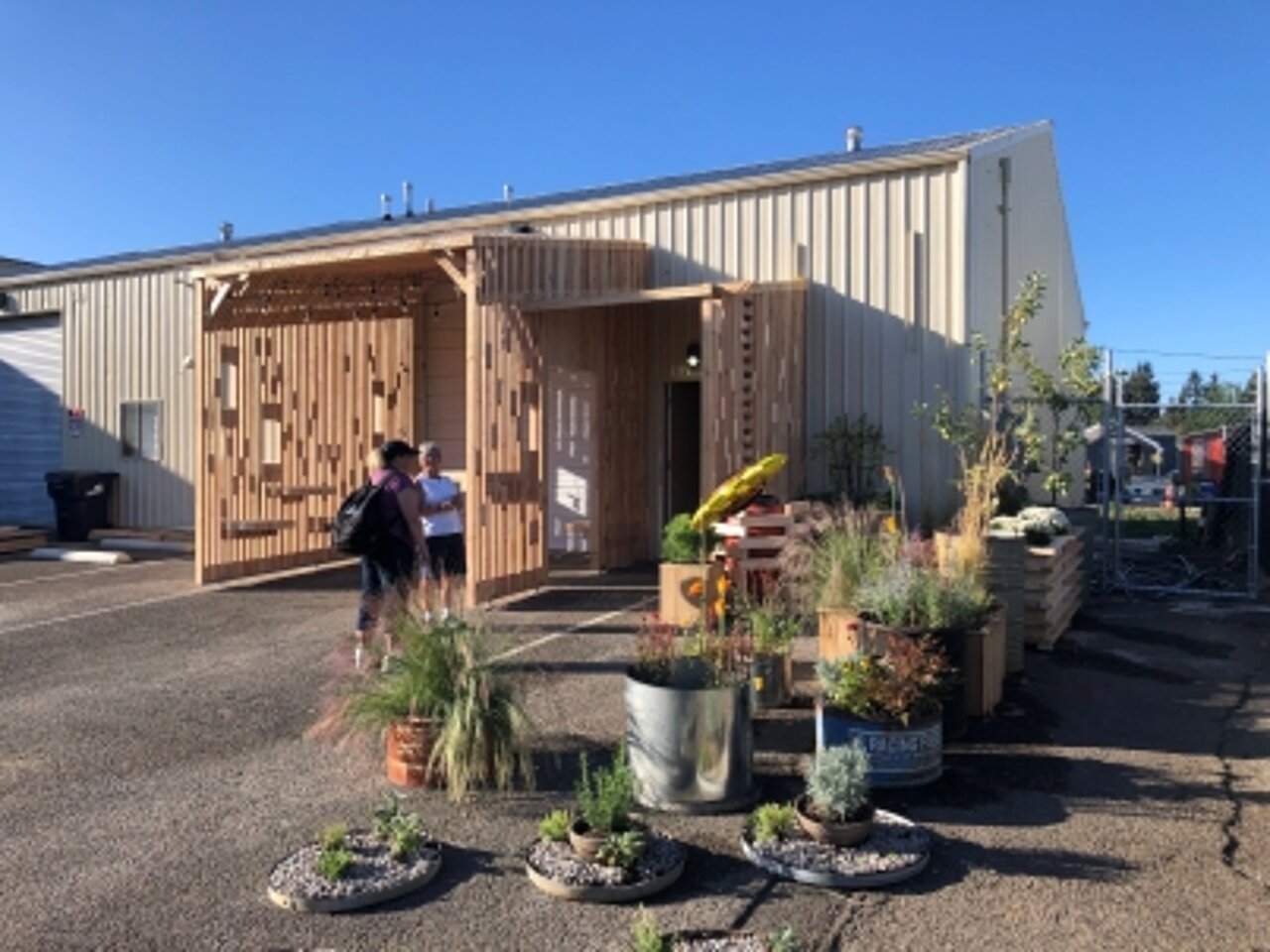
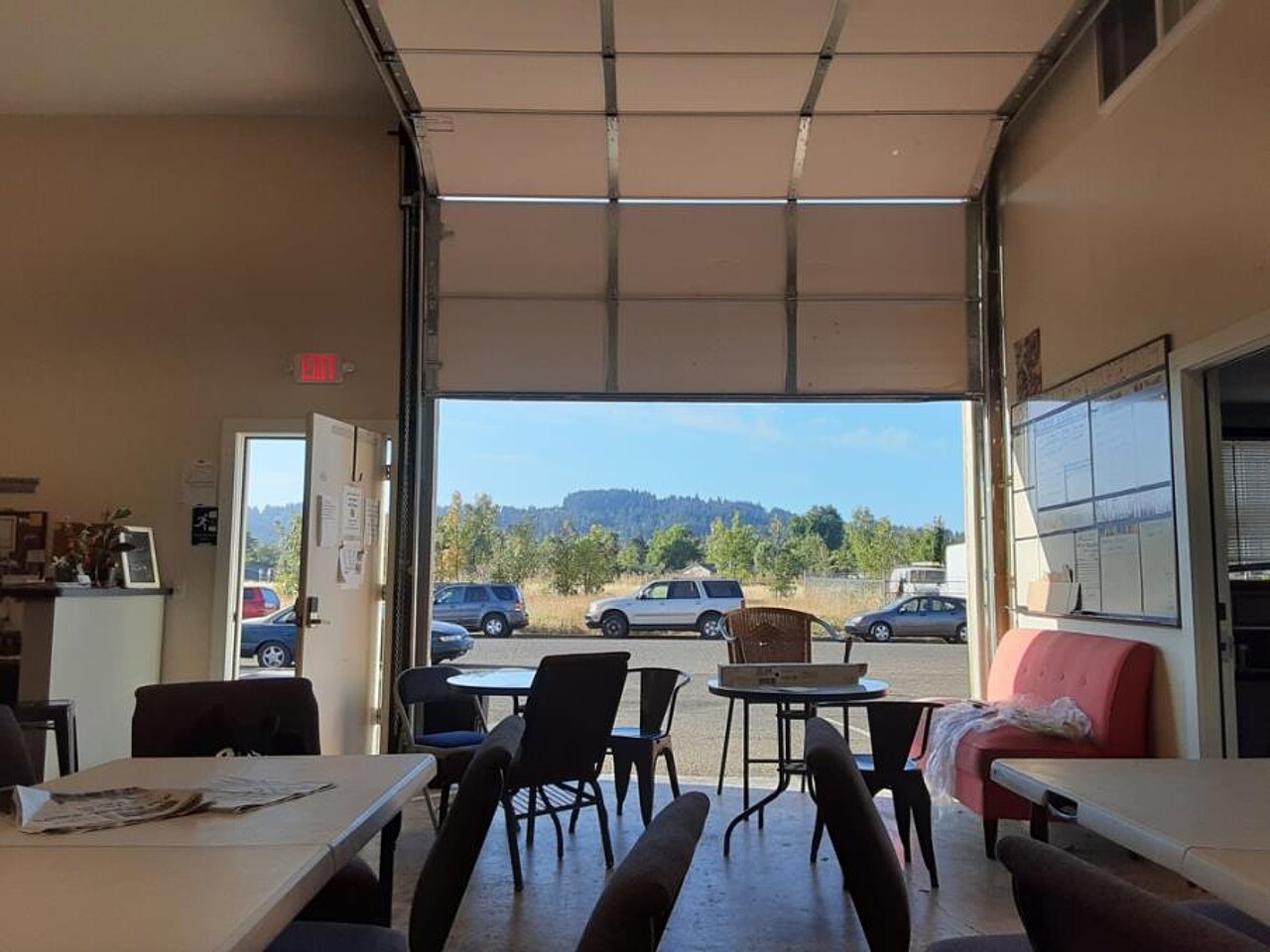
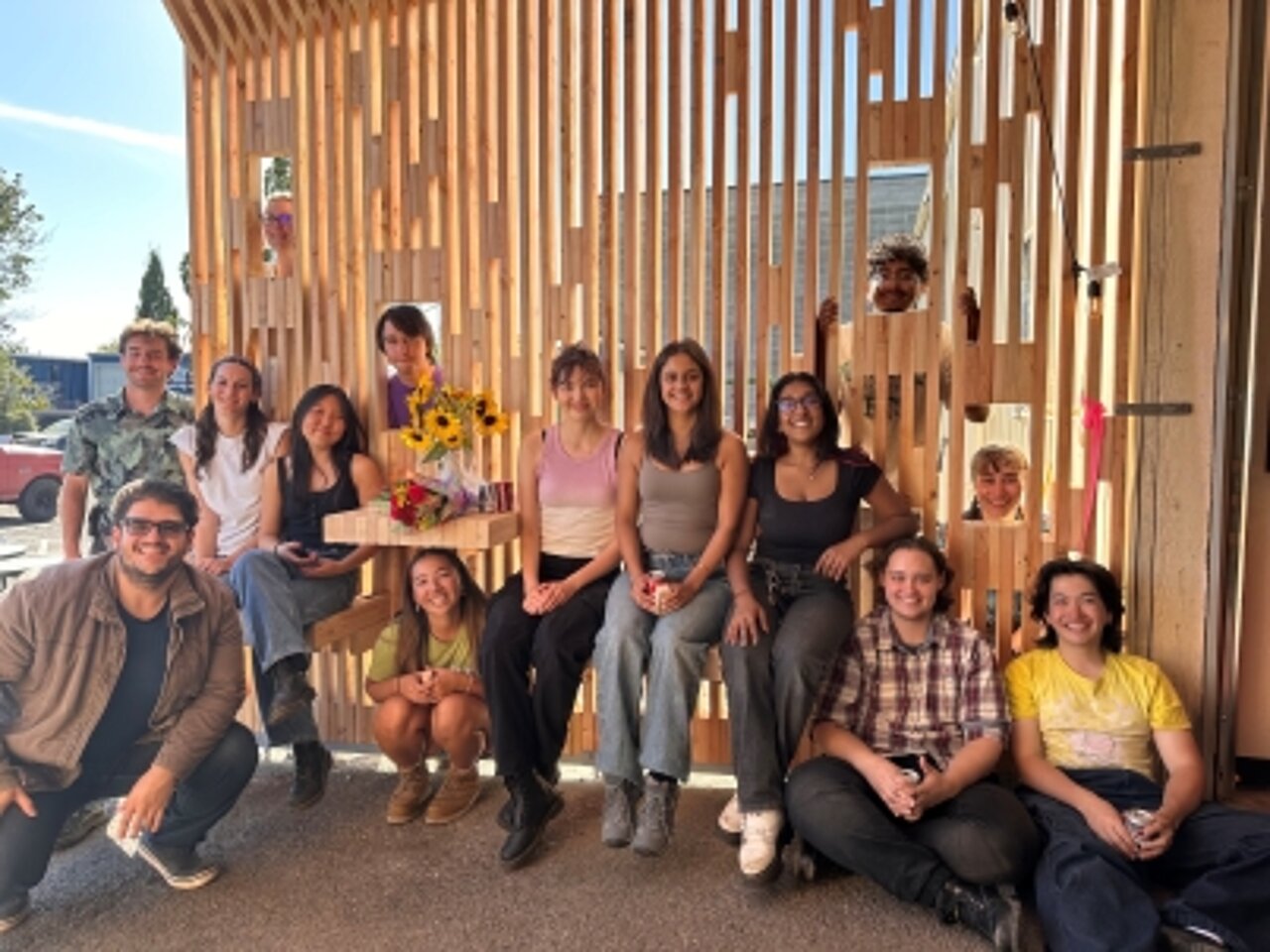
As part of the Bruton Design Intensive (BDI) program at the University of Oregon, 14 students developed a new entrance area for Everyone Village, a shelter for homeless people, within two weeks. The "Threshold Space" project was about more than just wood and tools: the forecourt separates the street from the refuge, the public from the private – and was previously uninviting.
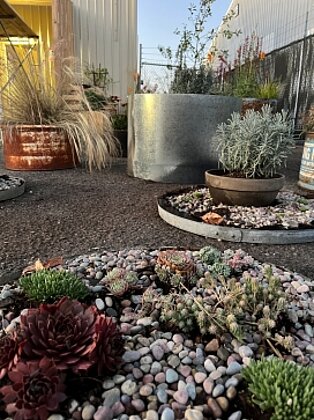
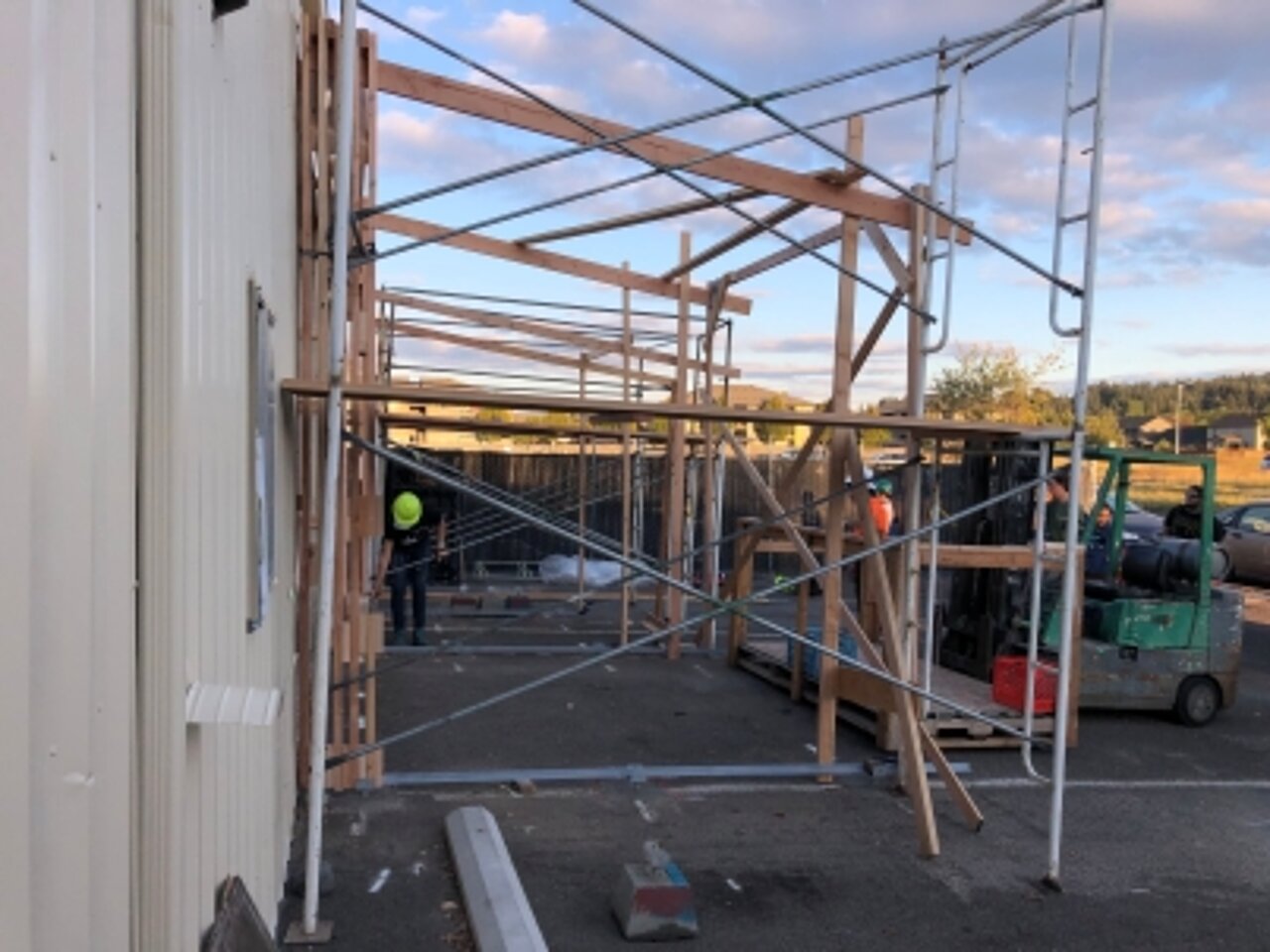
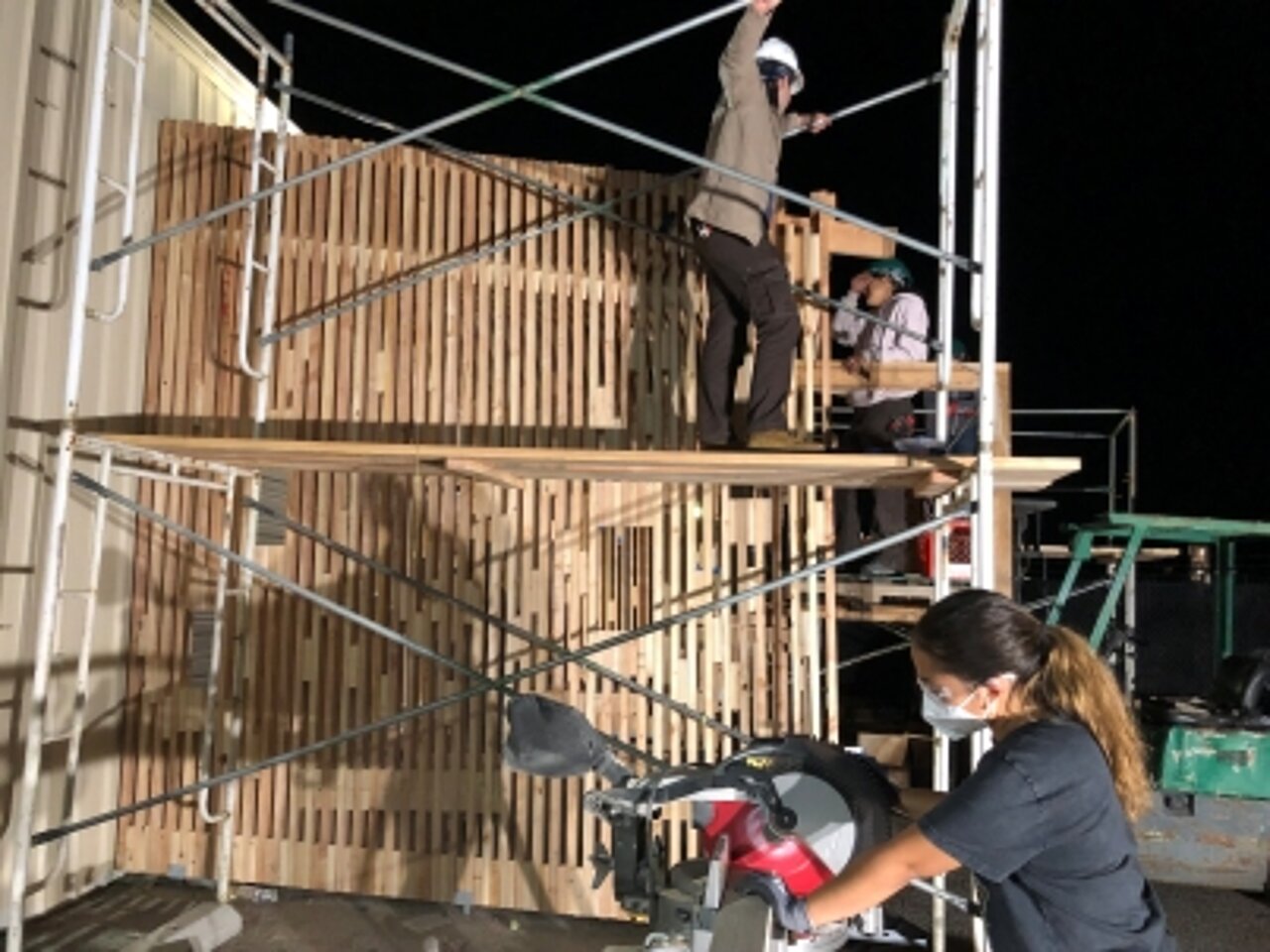
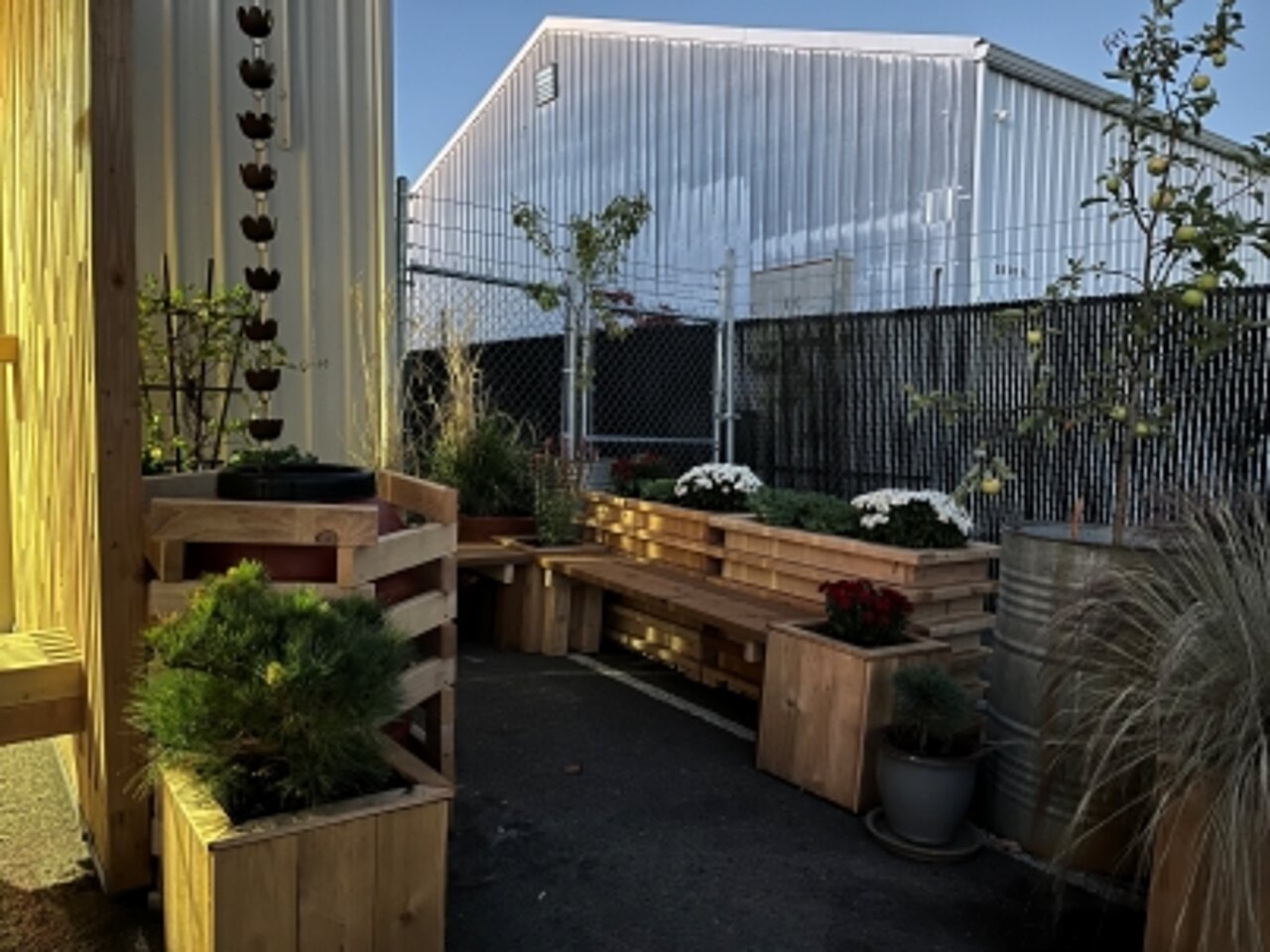
During the first week, the team gathered impressions on-site, discussed ideas with residents, and designed concepts together. The second week was dedicated to construction. An airy structure was created from simple wooden slats, roofed with transparent panels. A garden of movable planters complements the threshold and brings life to the asphalt.
The challenge: A place that had to be practical and inviting at the same time, and also flexible because the ground could not be altered. The result: A space that casts a shadow like a tree and redesigns the initial contact with the Village.
Impulse House for the Josefi Village
DesignBuild project of the FH Kärnten
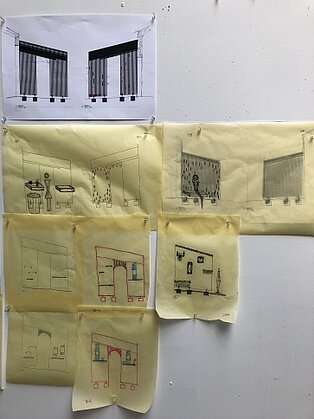
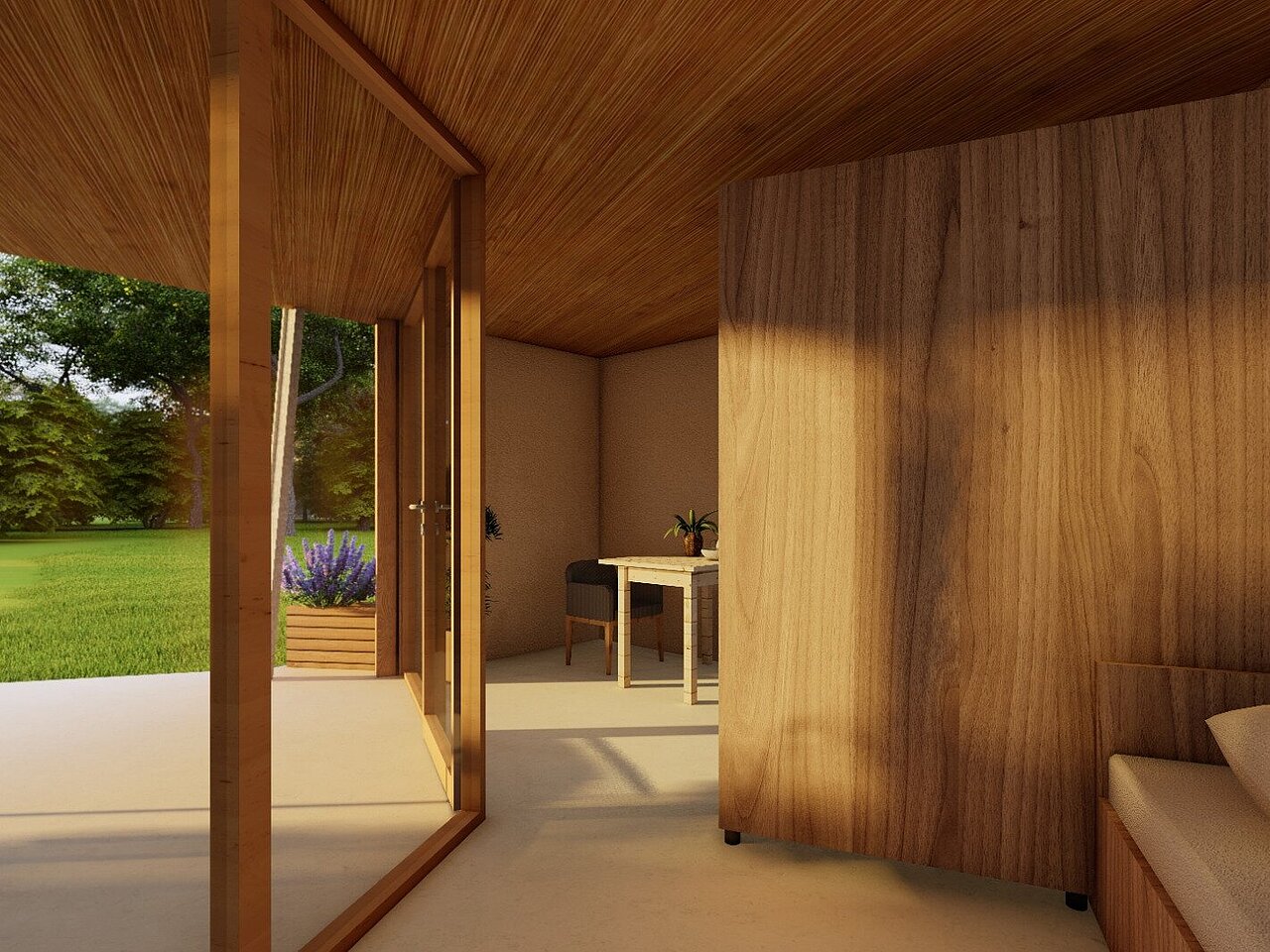
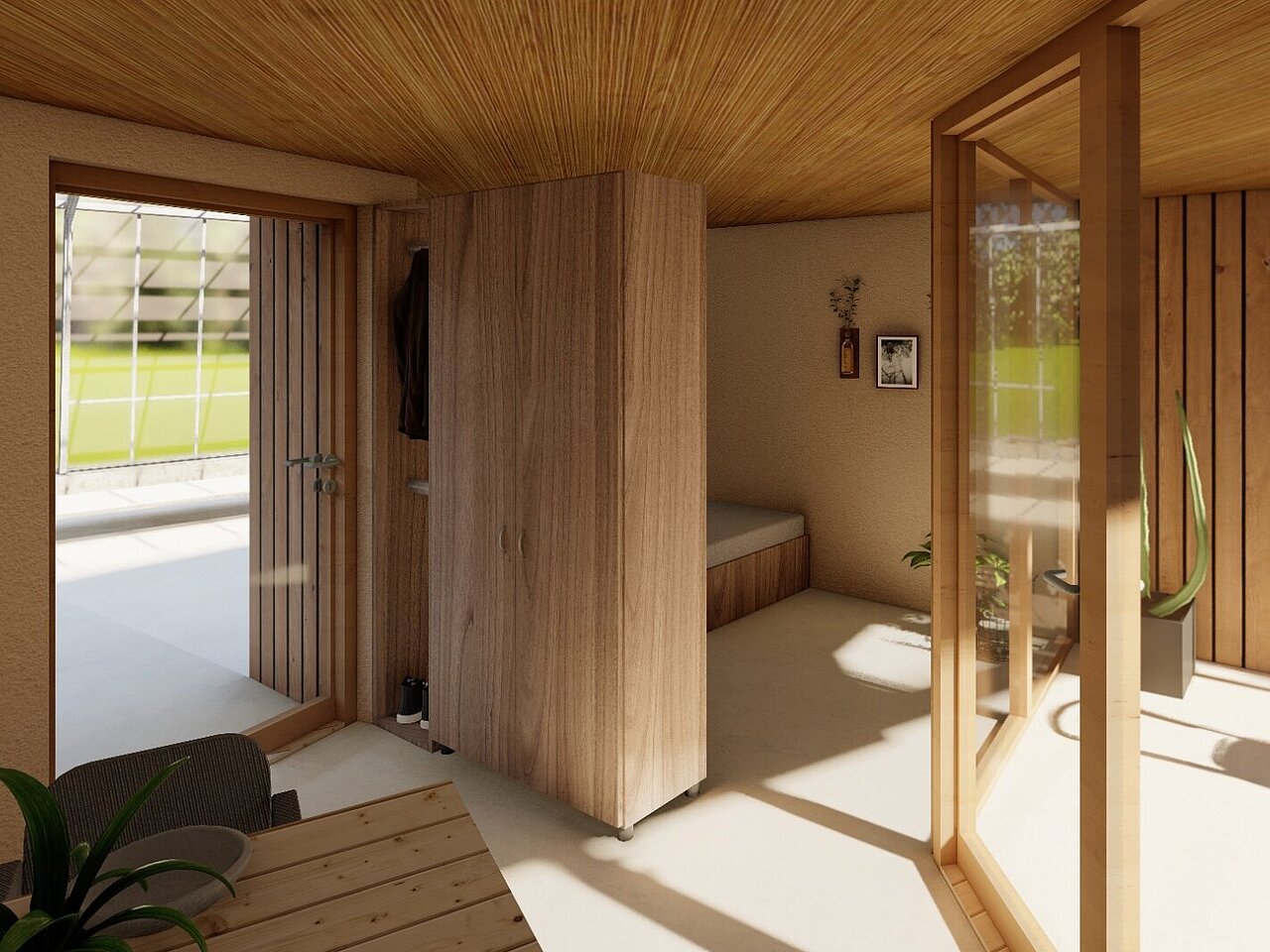
As part of the research project purRaum – IMPULSHAUS in the architecture degree program at FH Kärnten, students investigated the possibilities of alternative forms of living and housing for homeless people. The design of a building structure for a corresponding nursing home with a hospice was recently selected for funding by a specialist jury in a Europe-wide DesignBuild competition organized by the non-profit Sto Foundation.
What this project is about:
- homelessness
- alternative forms of housing & living
- inclusive society as a whole
You can read the press release on winning the Human Rights Prize for the Impulse House here.
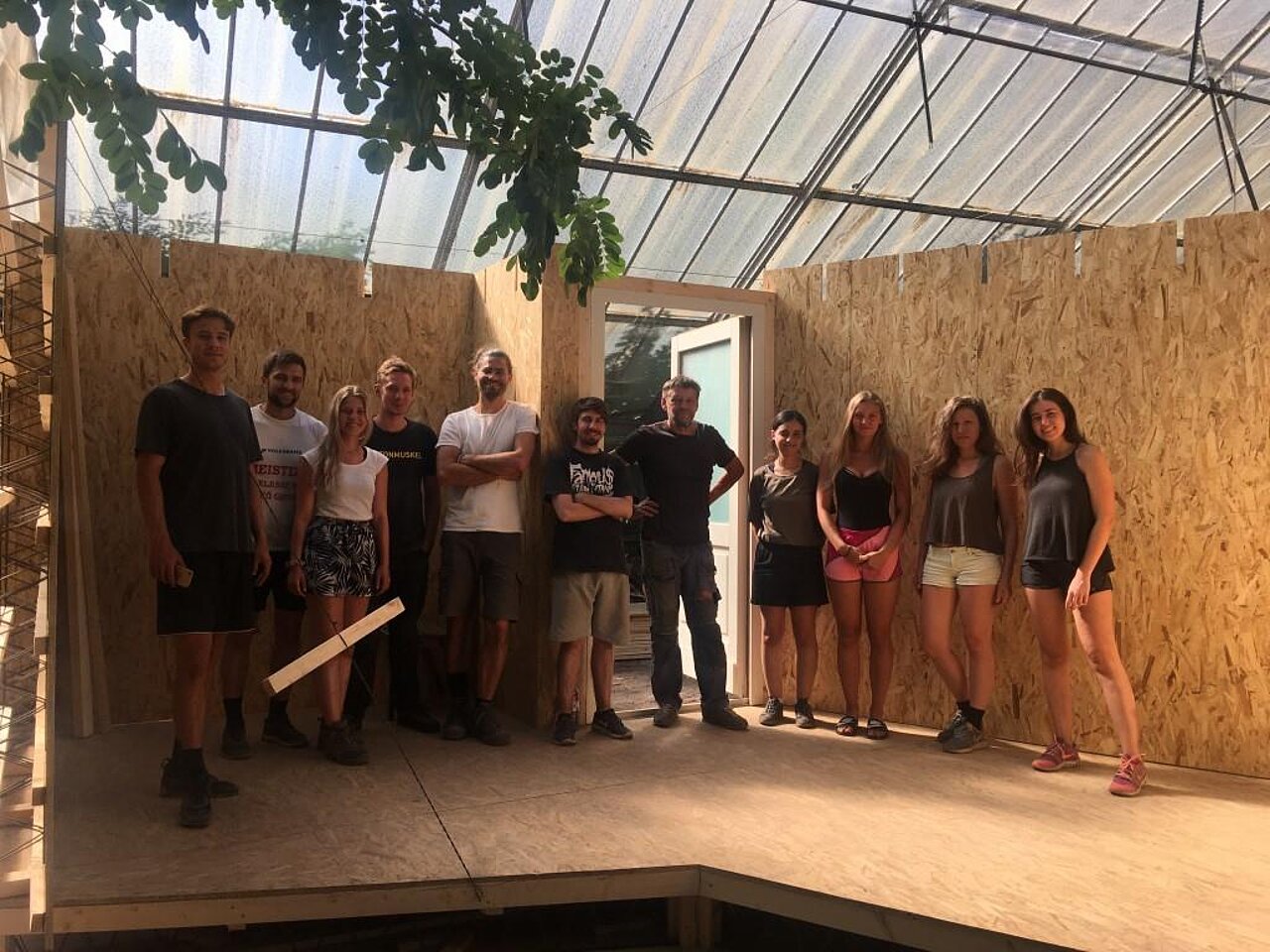
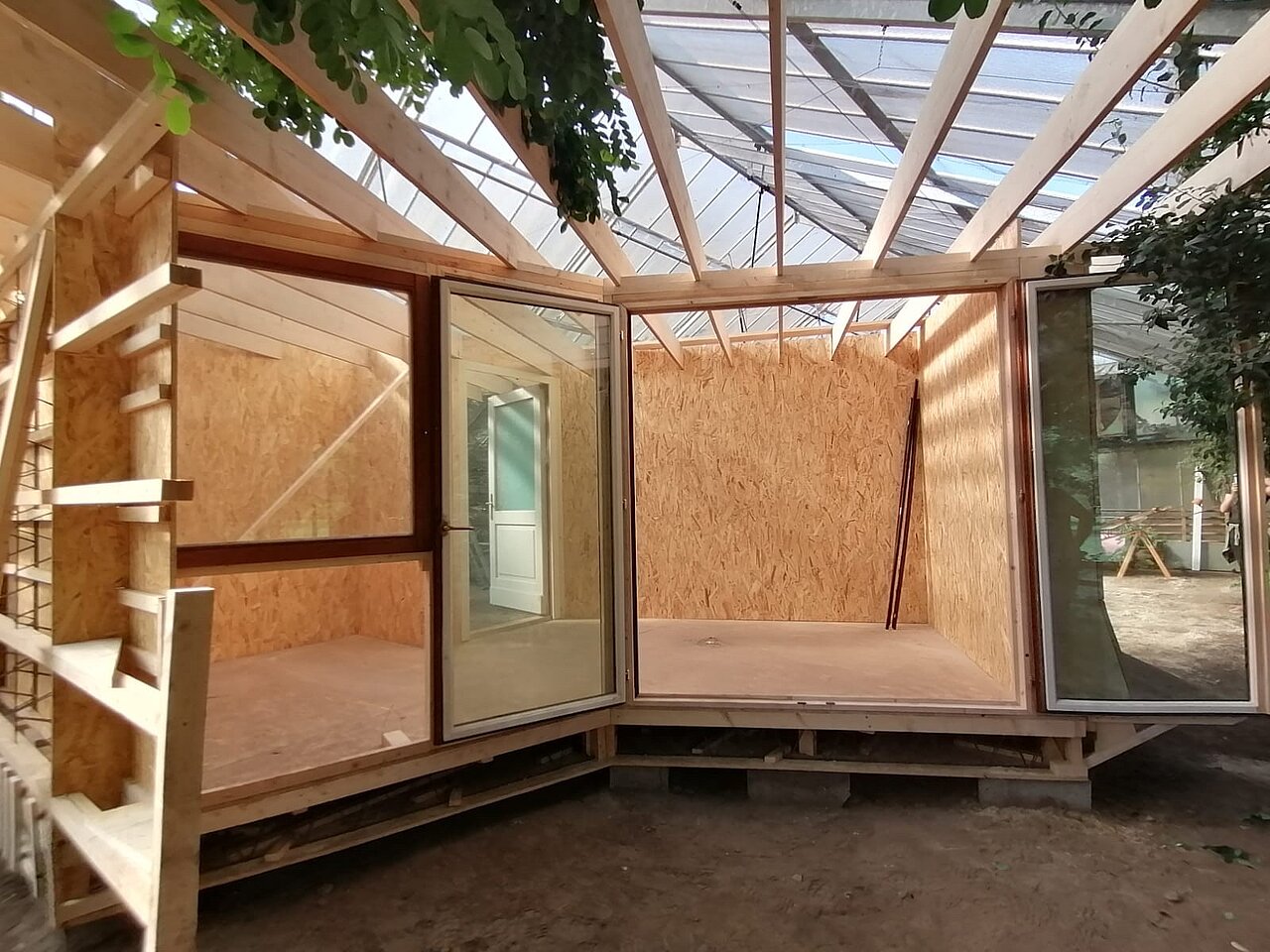
The circus is coming to town - A Circus
A DesignBuild project of the Düsseldorf Academy of Fine Arts
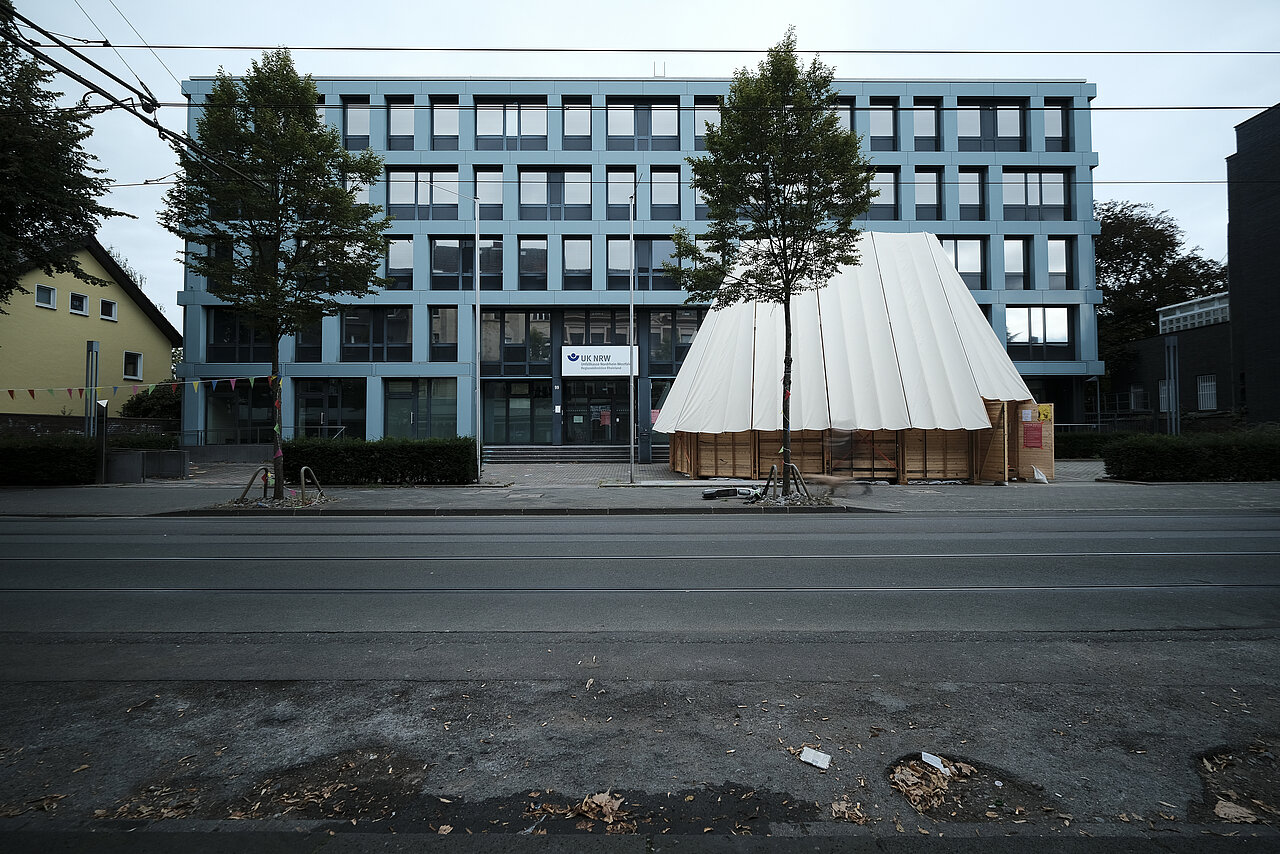
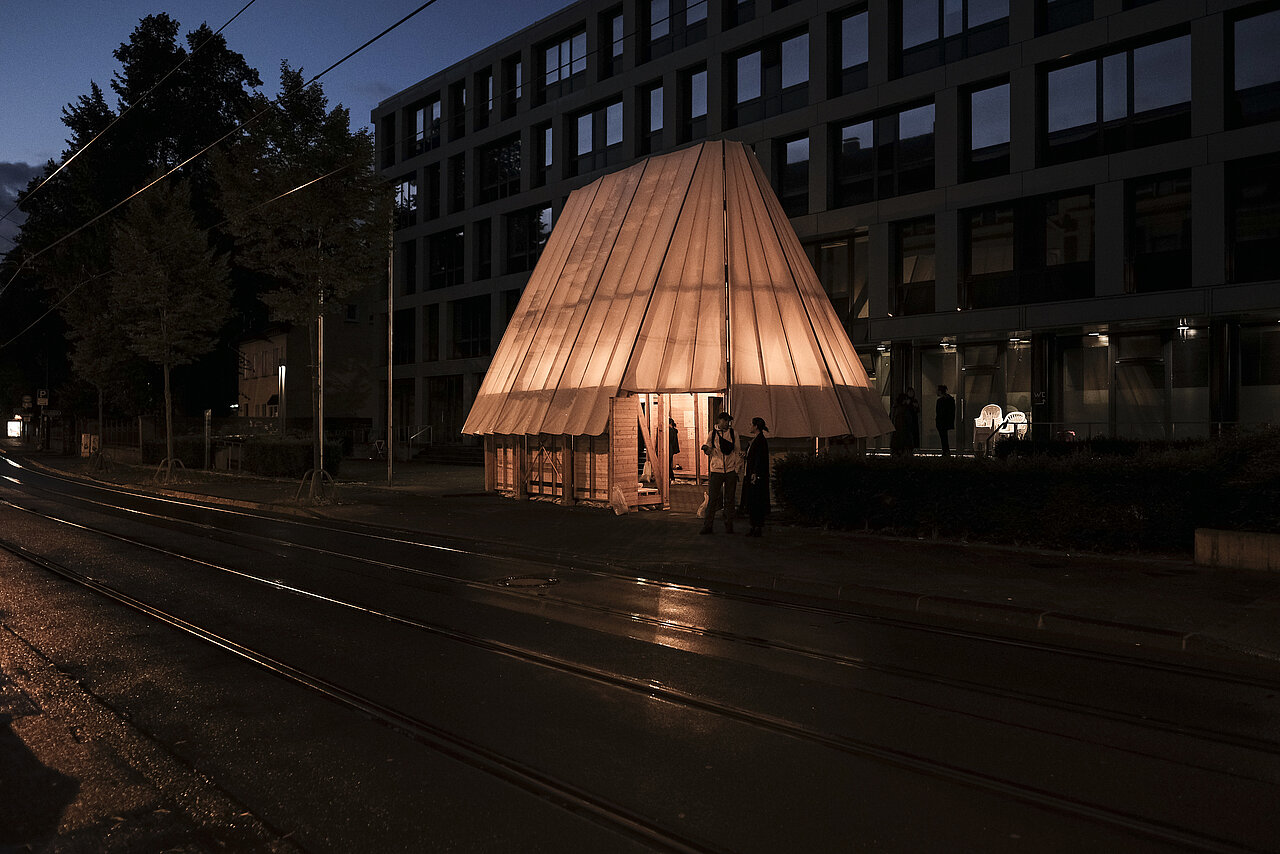
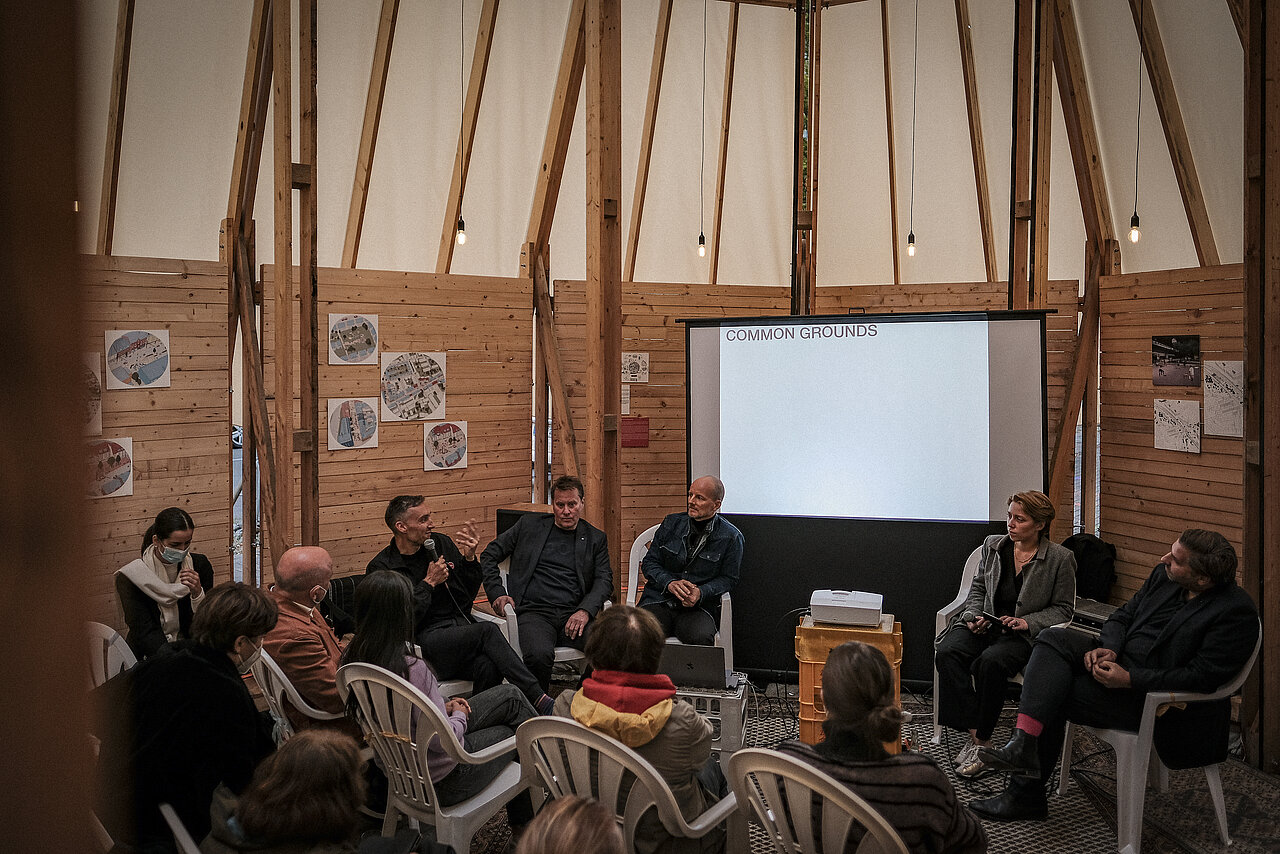
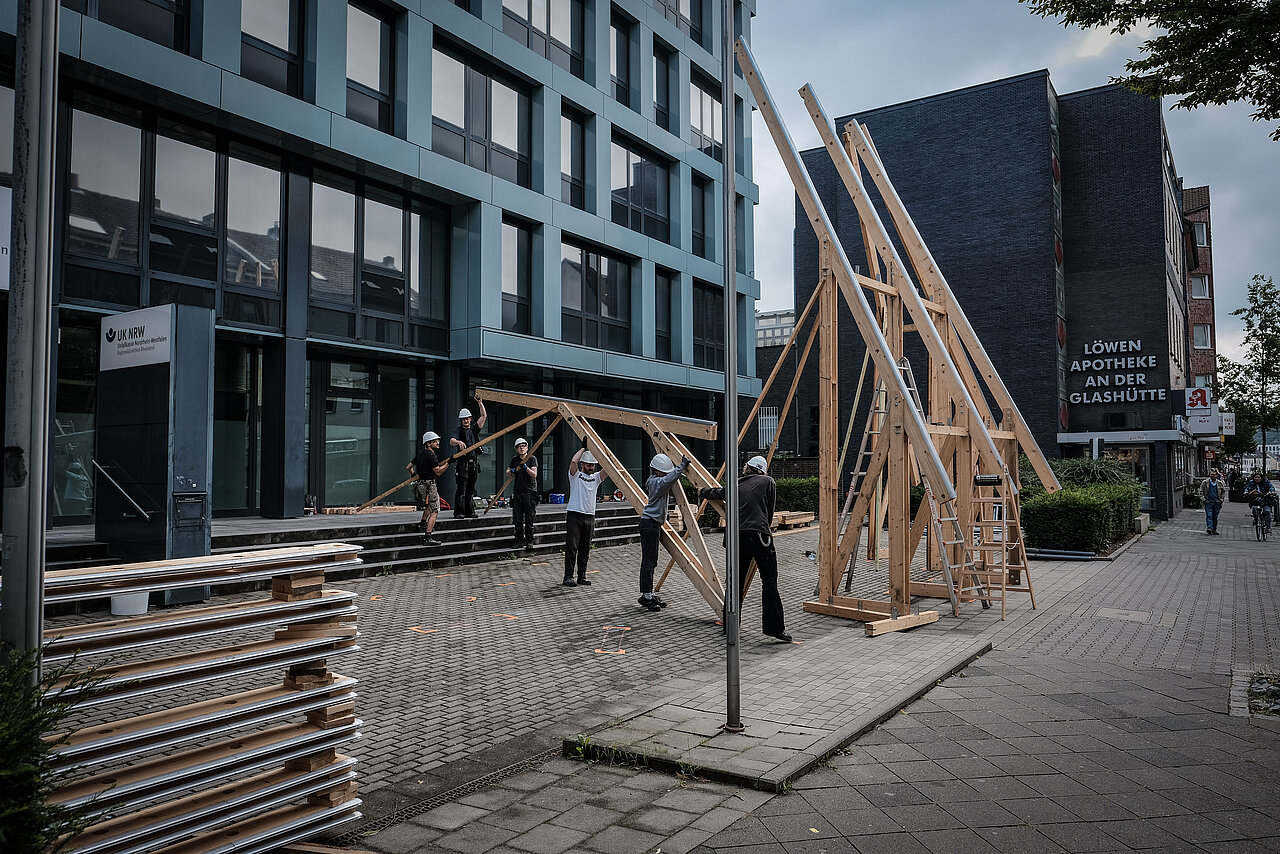
You can read the press release on the project by the Düsseldorf Academy of Fine Arts here.
As the first DesignBuild project of the architecture class at the Düsseldorf Academy of Fine Arts, "A Circus" marks the start of research-based learning at the threshold between art and architecture on a 1:1 scale. Specifically, the project is a laboratory for sustainable urban development where people can come together to contribute their ideas and wishes for their city or neighborhood. In this project, research and private sector partners work together to develop forward-looking solutions for contemporary construction. This challenges and encourages those involved to engage creatively with the core of architectural thinking. The focus is on the self-determined design and execution process, which requires a high degree of responsibility from the participants.
What this project is about:
- sustainable urban development
- forward-looking solutions for contemporary construction
- Cradle-to-cradle principle - cycles completely without waste
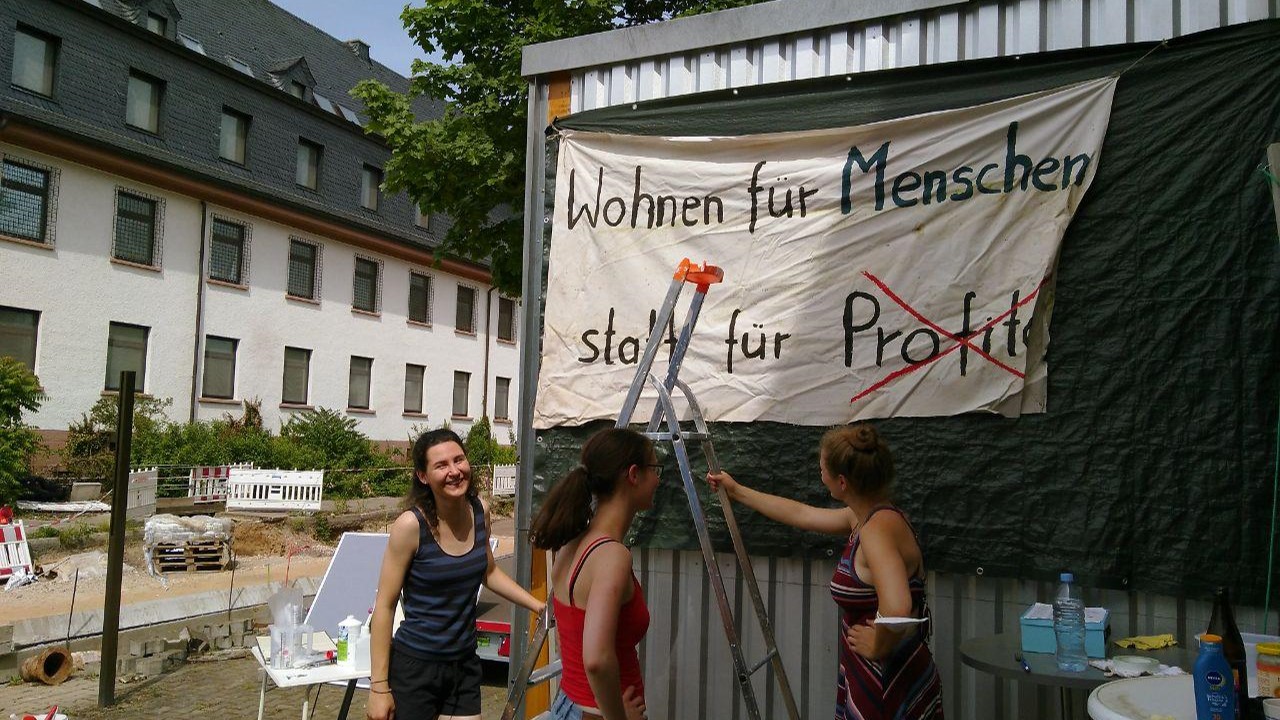
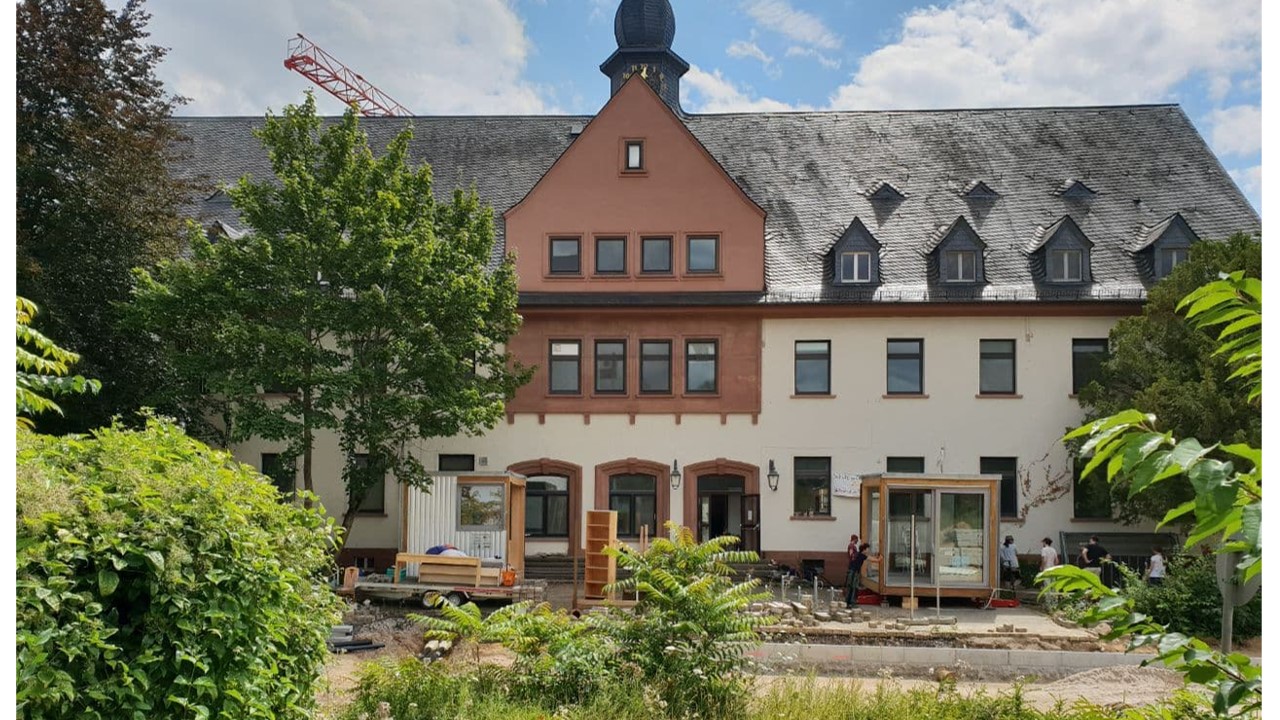
Self-managed dormitory "Collegium Academicum"
DesignBuild project of the Collegium Academicum GmbH in Heidelberg
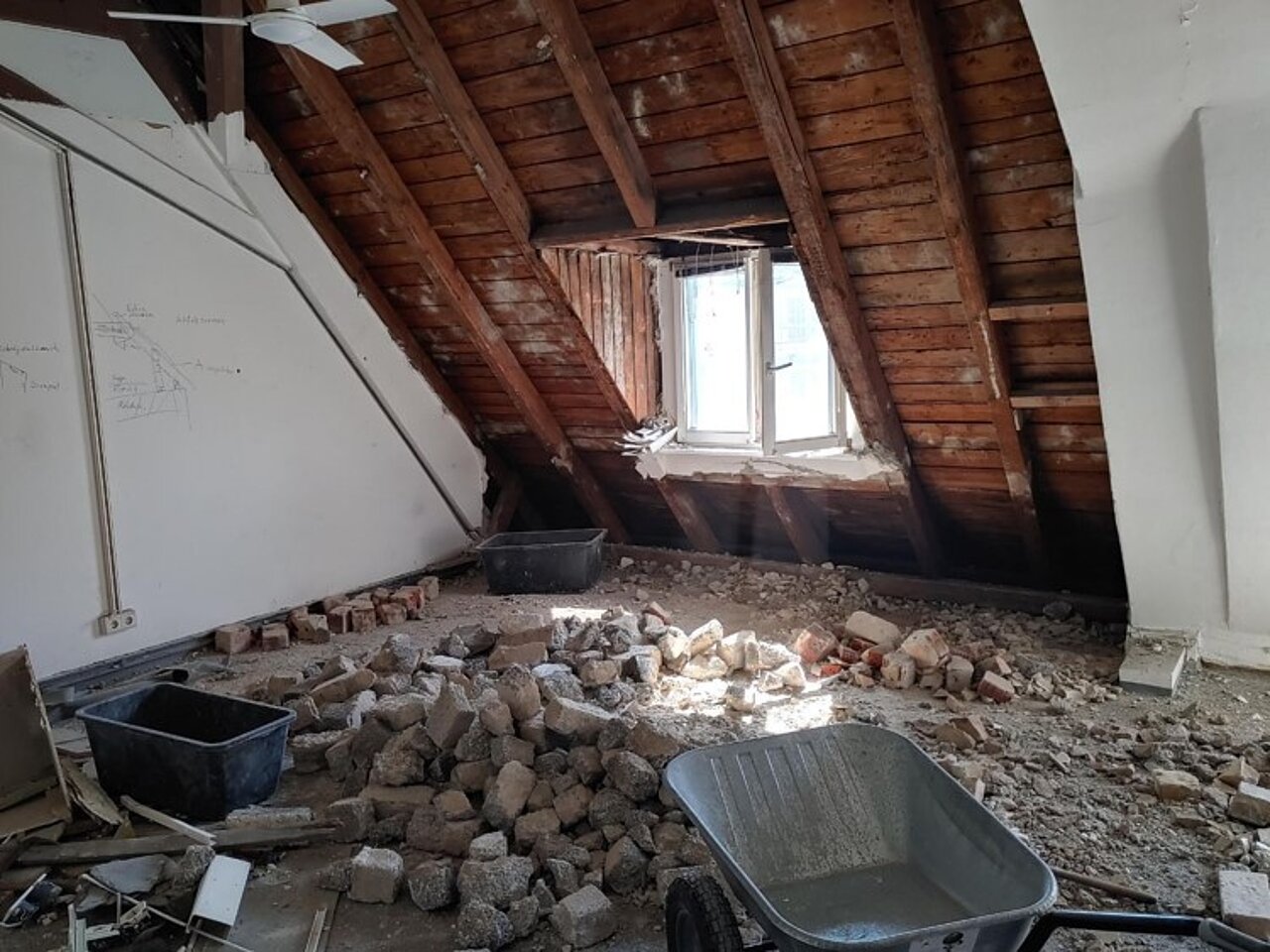
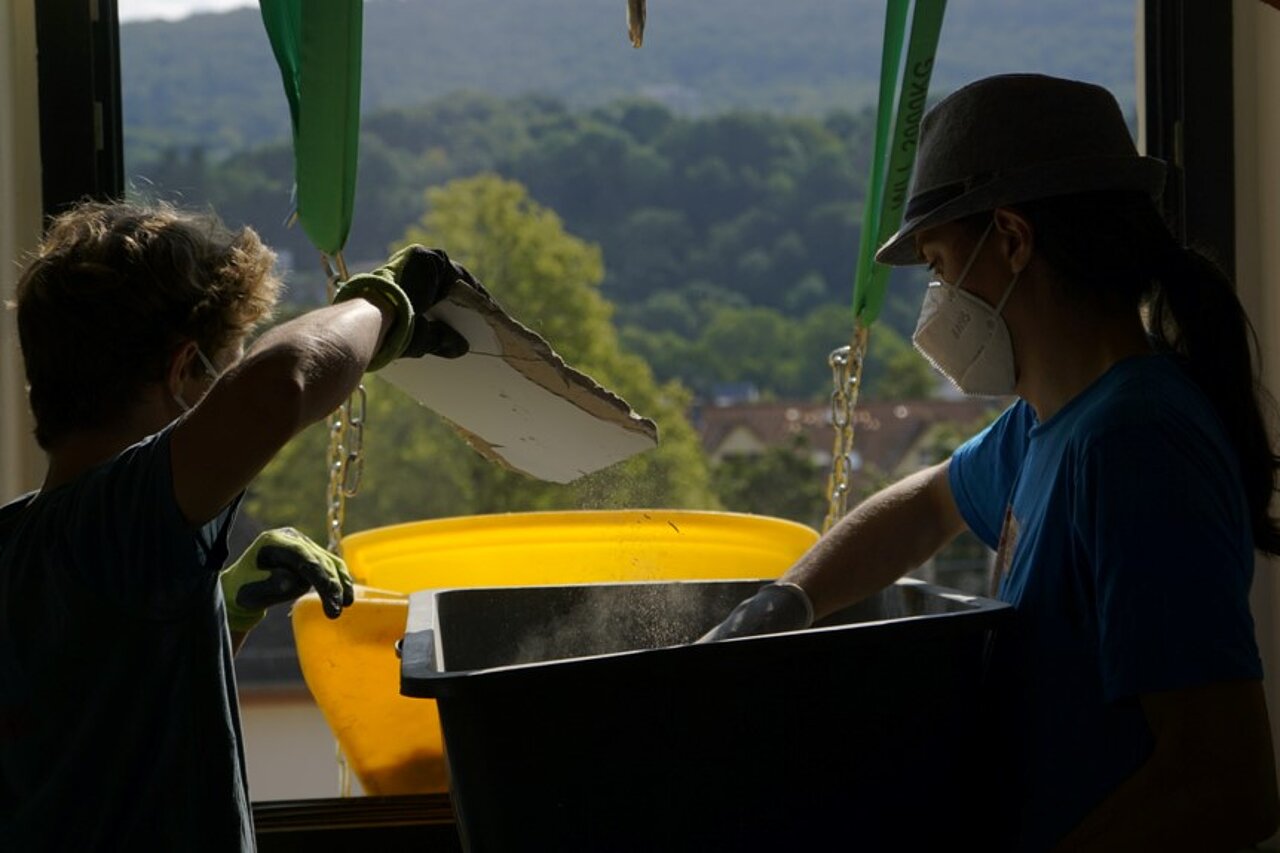
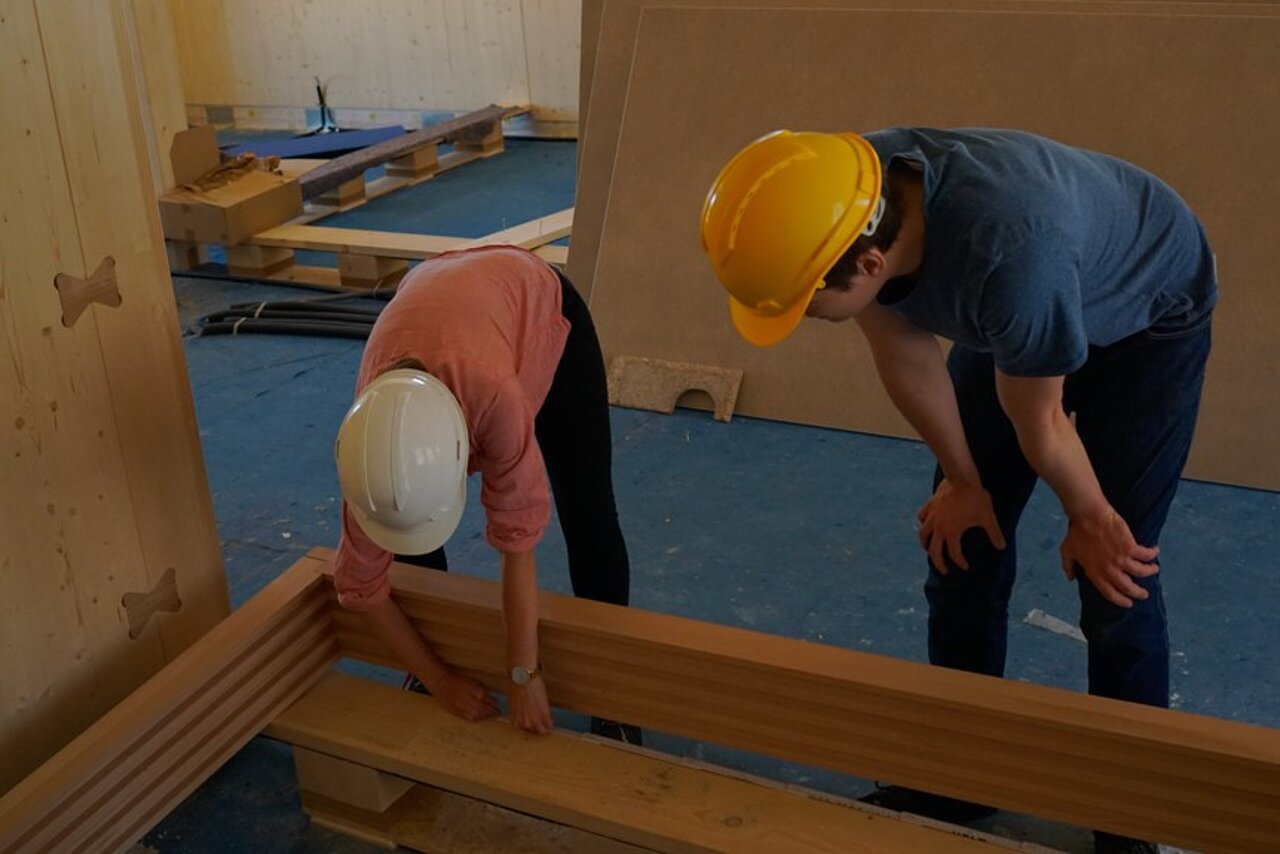
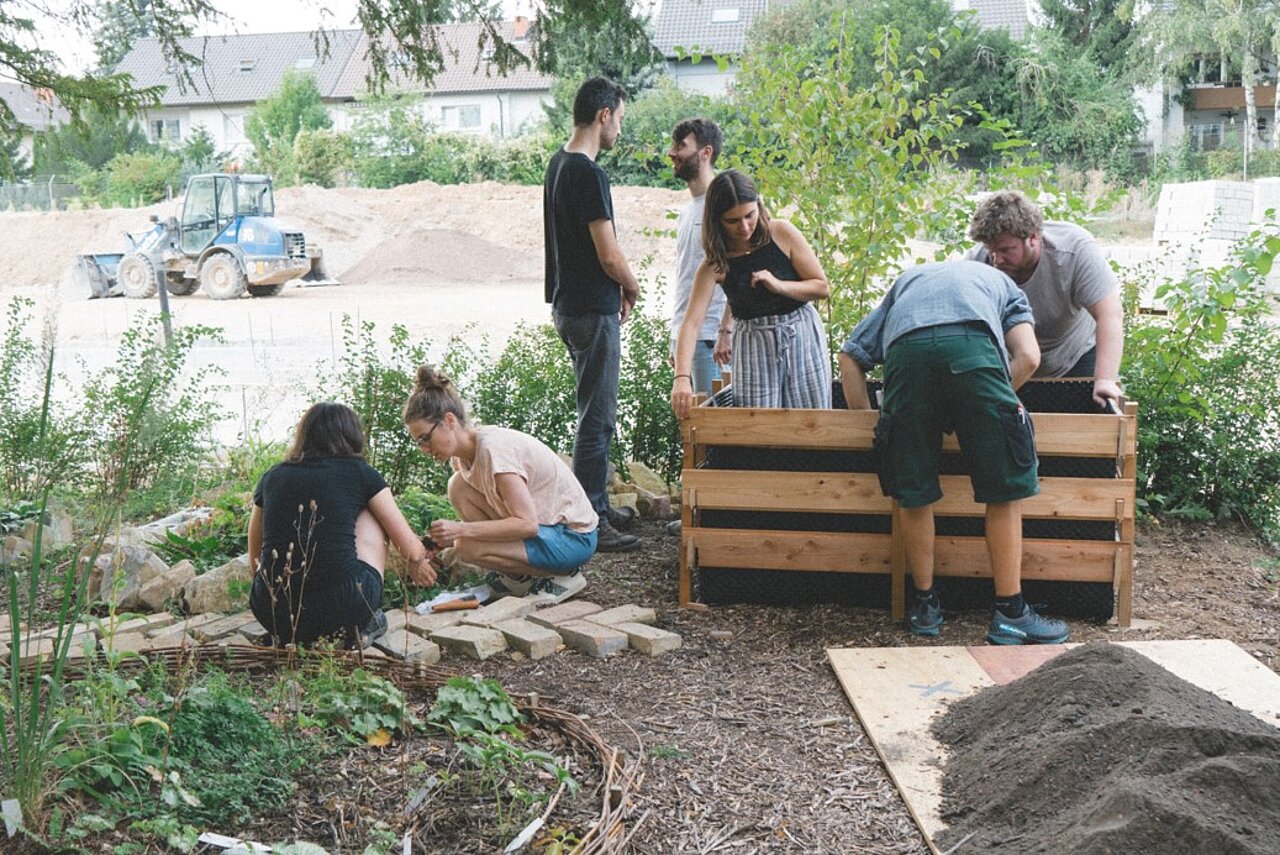
The project group Collegium Academicum is building a dormitory for students and apprentices in Heidelberg. A new timber building and two old buildings provide living and creative space for over 250 young people. The generous common areas in the new building (assembly hall 241 m², multifunctional room 89 m², communal kitchen 34 m², workshop 61 m², roof garden 175 m²) represent free spaces for self-expression, culture, and art. The renovation of the old building serves to establish shared apartments and further common areas (seminar rooms, library, workshops).
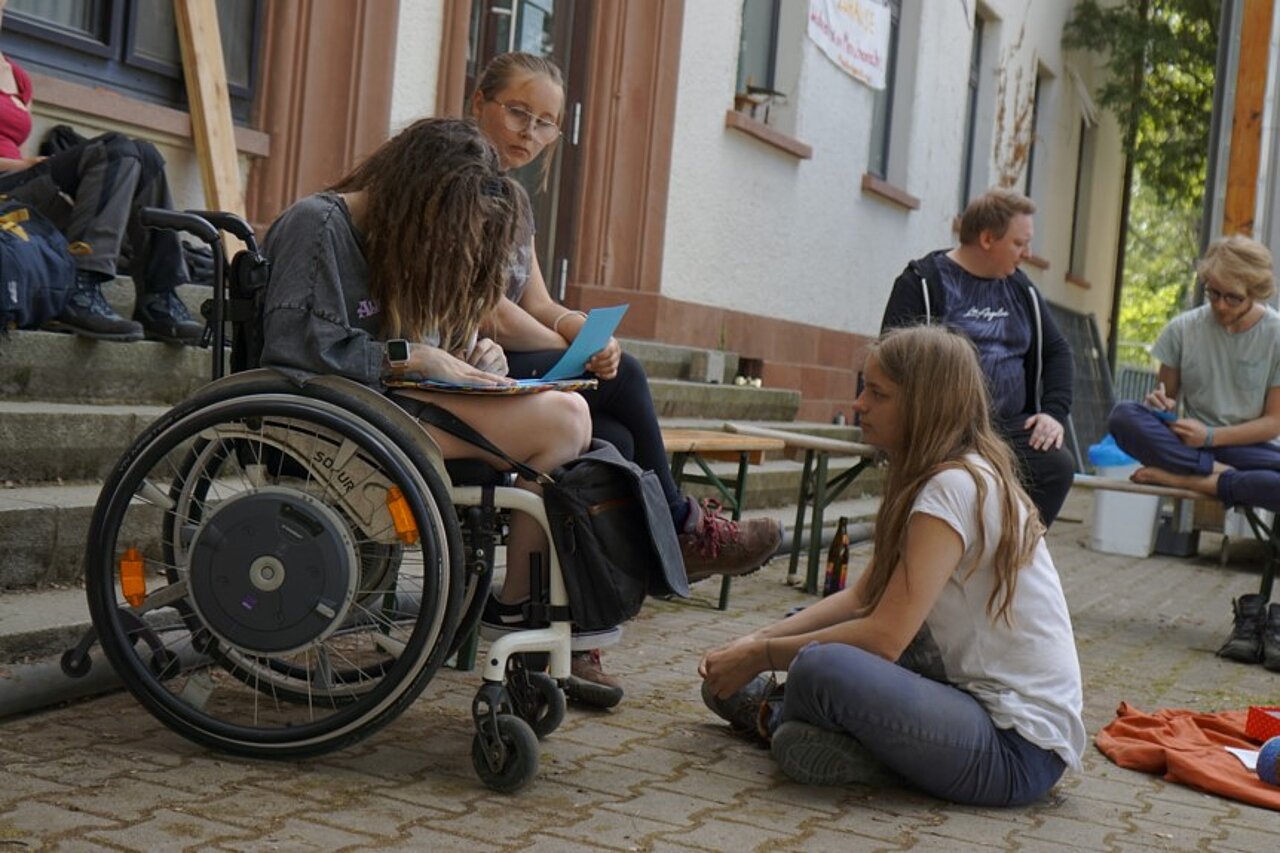
In the self-management system, the residents take responsibility for their communal life.
Weitere Infos zu diesem Projekt findest Du auch unter: https://collegiumacademicum.de
The Riga Project - Riga Floating Studio Bridge
DesignBuild project of RISEBA Riga, RTU Riga, and Wismar University of Applied Sciences
This project involves building a floating platform as a bridge over the 'Zunds' canal. This platform creates a connection between Riga's two architecture faculties (RISEBA FAD & RTU Riga), which are located on both sides of the Zunds and previously had no connection. The platform is intended to provide space for various cultural and academic uses related to the two architecture faculties – for example:
Construction of the spatial structures in lightweight design (wood, recycled materials) on an existing, certified floating platform
Promotion of cooperation between the two architecture faculties, as well as international exchange within Europe
Workshop and self-build project in cooperation with Berlin universities (Open Call) and Wismar University of Applied Sciences
Real-world laboratory Hagenmarkt
DesignBuild project of TU Braunschweig
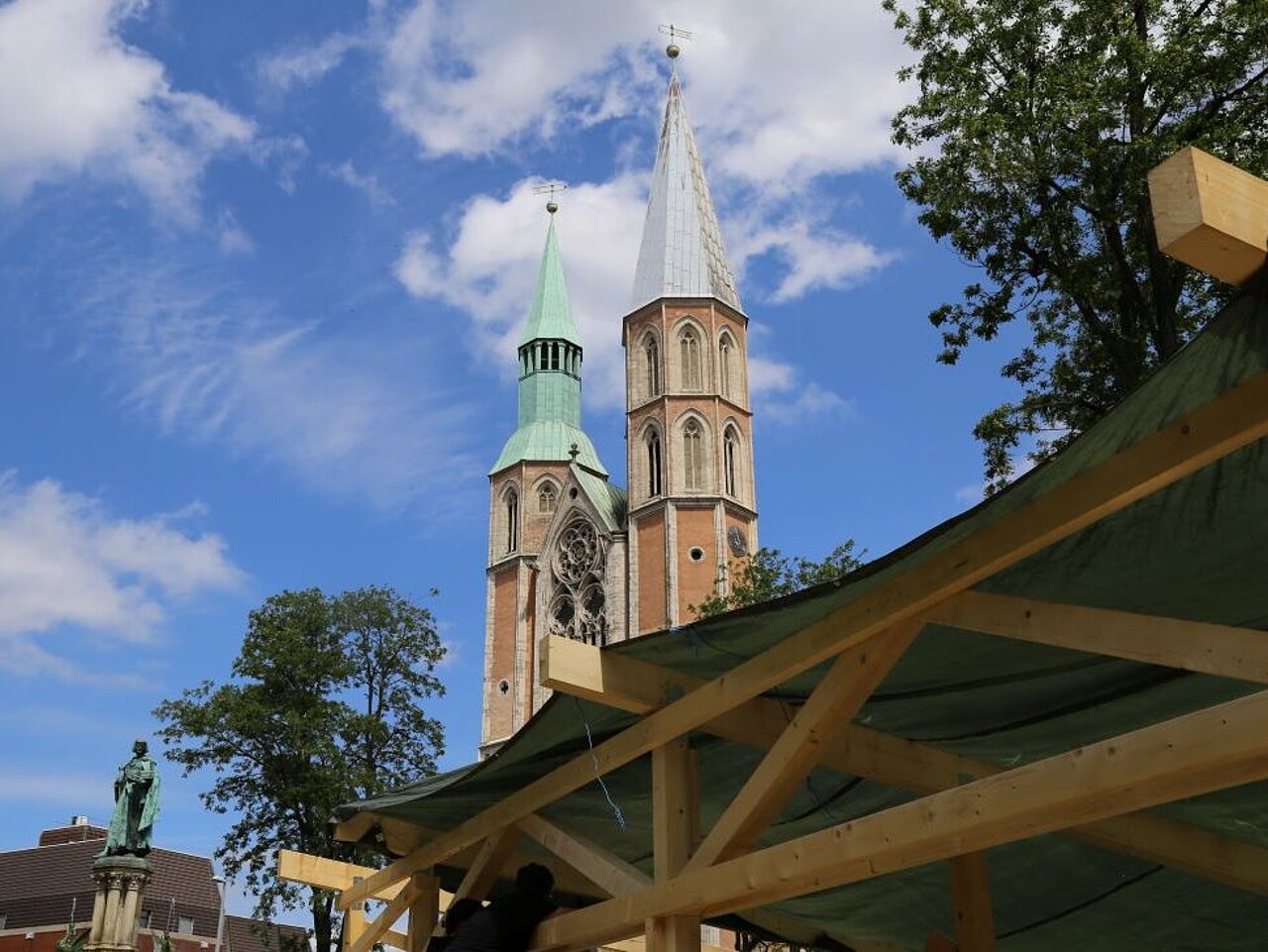
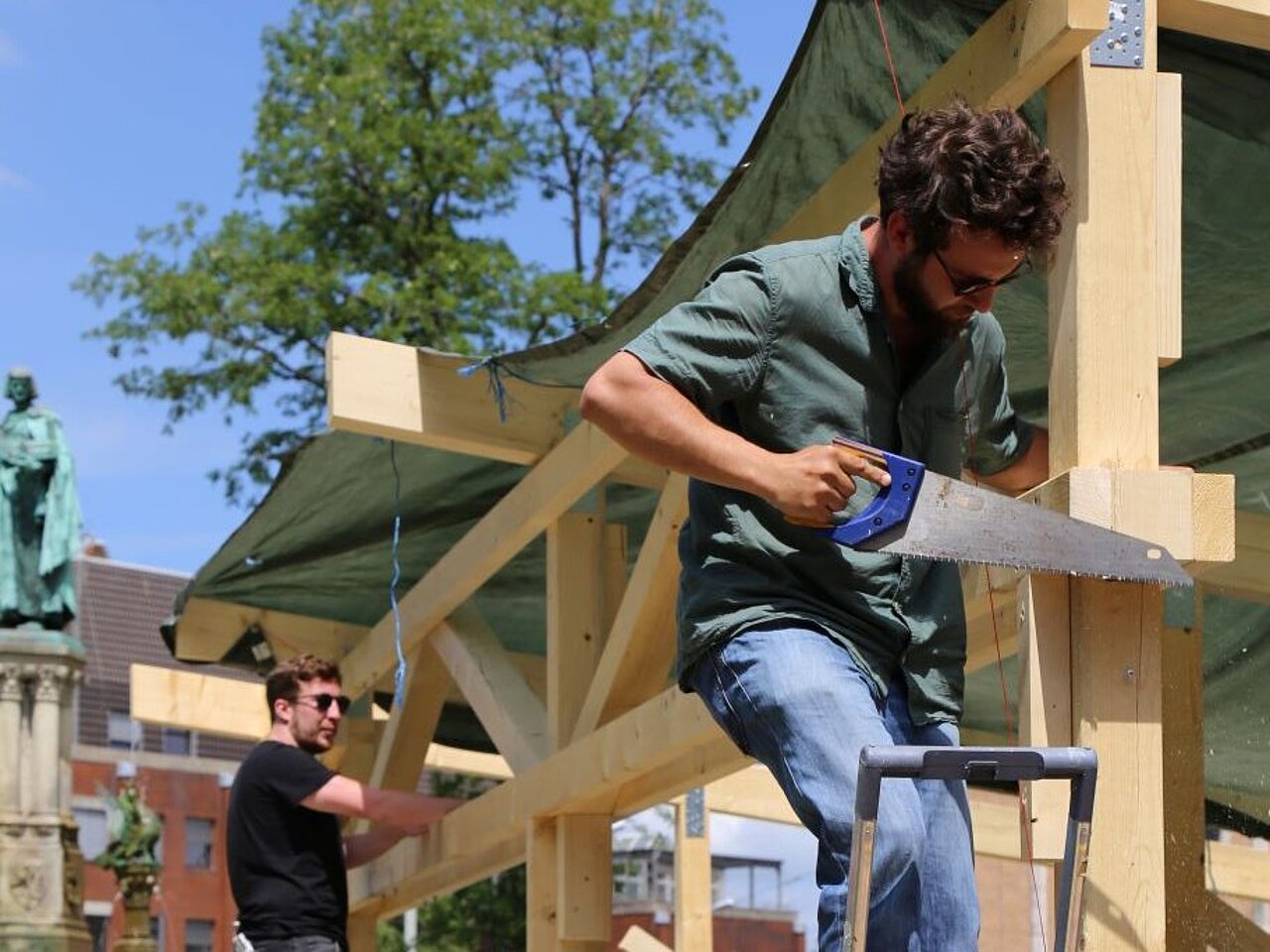
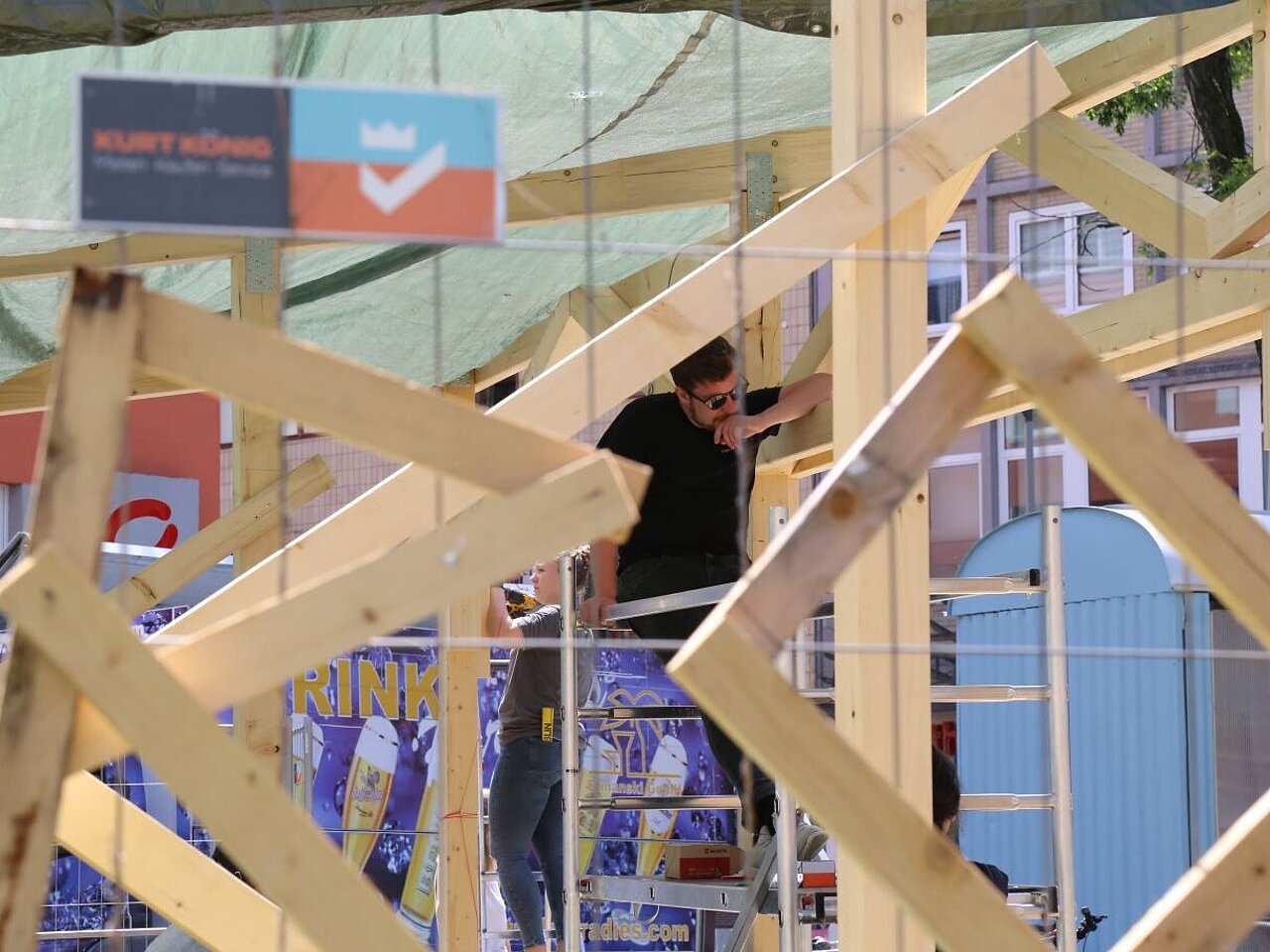
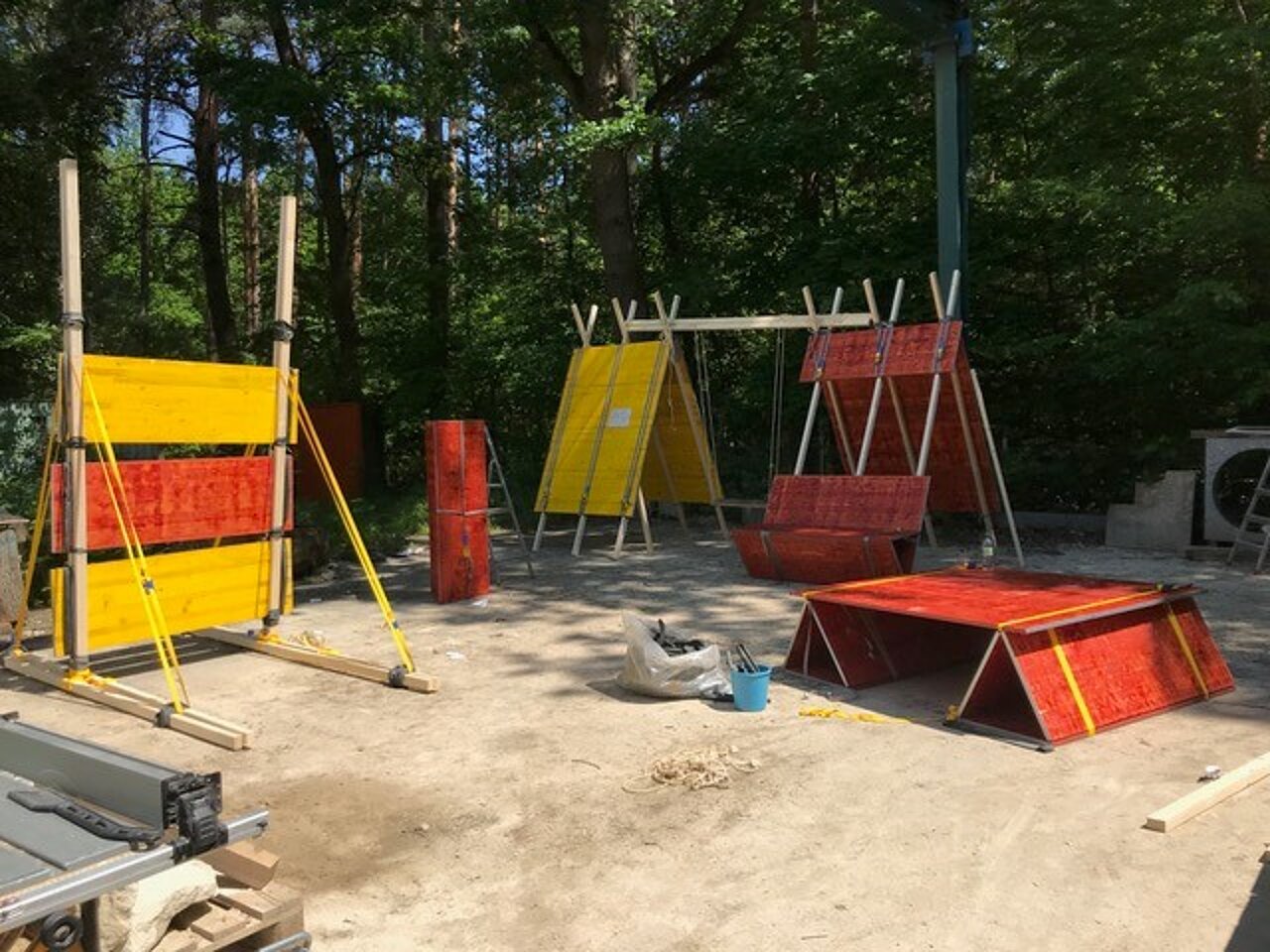
In this project, current topics of future urban life are tested, presented, and experienced together with students in various projects and impulses. It also brings scientific, university content into the city, thereby creating discourse and interaction. Hagenmarkt in Braunschweig is an important site in the city's history and today serves primarily as a traffic hub. There is much discussion about a redesign. This time is being used to turn the square into a temporary exhibition, discussion, and learning venue for the future topics of sustainability, sufficiency, and resilience. The participants include the Institute for Architecture-related Art (IAK), the Institute for Building Climatology and Energy in Architecture (IBEA), and the Institute for History and Theory of Architecture and City (GTAS).